By Emerson Arehart, Sappho Z. Gilbert, B. J. Rodolph Rasolofoniaina, Evelin J. G. Anjaranirina, Laurent Ravaoliny, Hervet J. Randriamady, and Christopher D. Golden
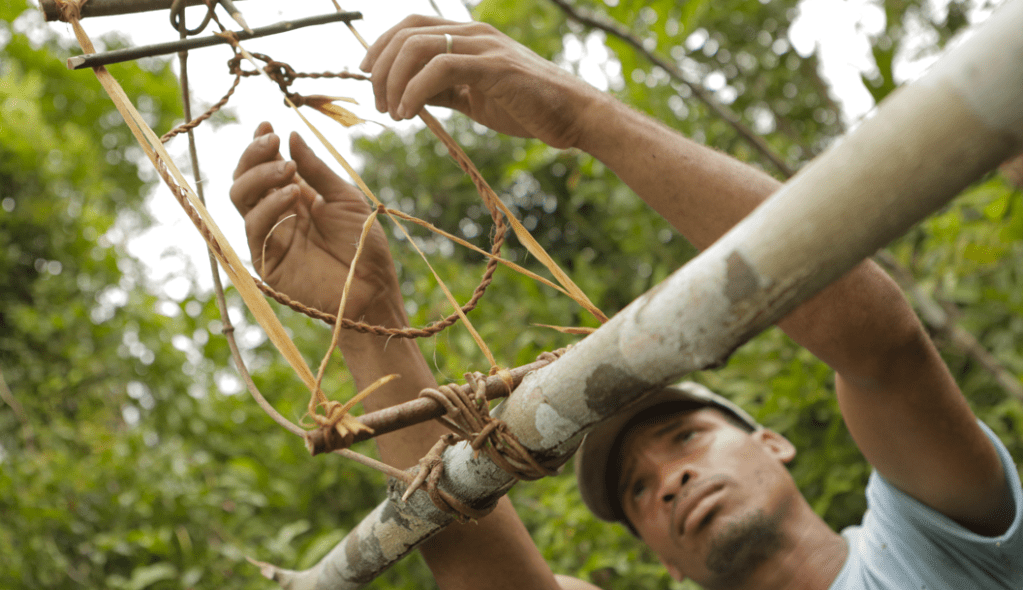
In the Makira Protected Area in northeastern Madagascar, communities hunt and eat wild animals. This subsistence practice is vital to their food security and a core part of their culture and livelihoods. In this study, we examined the timing of hunting different animals, especially fruit-eating lemurs, in relation to when hunters are most successful at catching them, and when fruits the animals eat are most available. We used surveys of the fruiting plants, diaries of hunting effort, and surveys with groups of locals to conduct our analyses.
We found that fruit‑eating lemur hunting peaks in April-May, which is several months after fruit is most abundant (in December). Locals also reported that fruit‑eating lemurs taste best in April-May. There were weaker seasonal patterns for when people hunt species that rely less on fruit for food.
Our results demonstrate the relationship between ecological factors (namely, fruit availability and thus the likely body conditions of lemurs) and social factors (such as taste preference for different animals at different times of year) in these communities.
But there are further reasons that might help explain the peak in April-May. For instance, hunting is more efficient during these months: Hunters catch more animals each time they check traps. Additional factors may include the timing of available human labor, higher prevalence of food insecurity during these leaner months, or local taboos.
These seasonal dynamics are important to consider when developing conservation and food security interventions.
 Relational Thinking