By Flurina Wartmann and Emma Cary
Key Questions
Rewilding is a conservation approach focused on restoring dynamic ecological processes, enabling species reintroduction or recovery, and intervening at landscape scales to support ecosystem restoration. But how do rewilding organisations visually represent nature recovery on their websites and in AI-generated images? Who and what do they include or excluded from these visions of rewilded landscapes? What do these patterns reveal about assumptions of who belongs in future ‘wild’ or ‘rewilded’ places?
Why This Matters
Rewilding projects are rapidly expanding across the UK to address climate change and biodiversity loss. The images and messages conservation organisations use don’t just document these changes. They actively shape public understanding of what rewilded nature should look like and who belongs in these landscapes. As AI systems increasingly generate content about nature, too, AI generated images risk amplifying existing biases in how rewilding is portrayed.
What This Research Found
Analysing 4,667 images from nine UK rewilding organisation websites plus AI-generated rewilding imagery, the study revealed the following major findings:
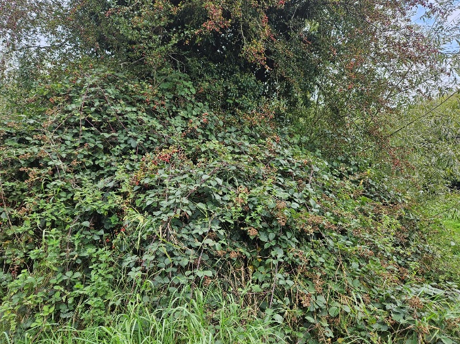
Sanitised nature | Images overwhelmingly feature charismatic species (such as red squirrels, beavers, butterflies) and scenic landscapes, while avoiding ‘messy’ aspects of nature recovery such as scrubby vegetation, death and decay, or less conventionally charismatic species (reptiles, amphibians, certain types of insects).
Positive messaging | Communications emphasised hope and success stories, without necessarily acknowledging challenges or ecological and social complexities.
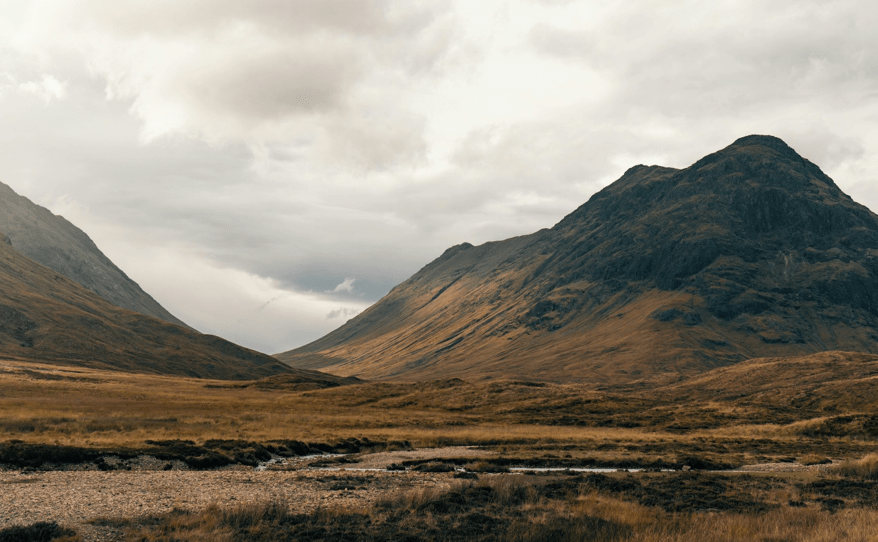
Missing people | Both organisational and AI-generated images portray rewilded landscapes as largely empty of permanent human presence and infrastructure. When humans appear, they’re typically recreationists or volunteers, not residents who live and work in these landscapes.
What This Means
These visual patterns matter because they normalise exclusionary visions of environmental futures. By consistently portraying rewilding as occurring in people-less landscapes, these images risk perpetuating environmental injustice and narrow ideas about what people and what species belong in future natures.
We argue that conservation organisations should diversify their visual communications now, not only for immediate social justice reasons, but because current text is actively training AI systems to reproduce these same exclusionary patterns. Creating more inclusive visual representations today could help shape how future AI systems portray environmental recovery, potentially creating a positive feedback loop toward more socially just conservation.
 Relational Thinking