By Alison Bowers, Nicole Ardoin, Alan Reid, Heidi L. Ballard, and Martha Monroe
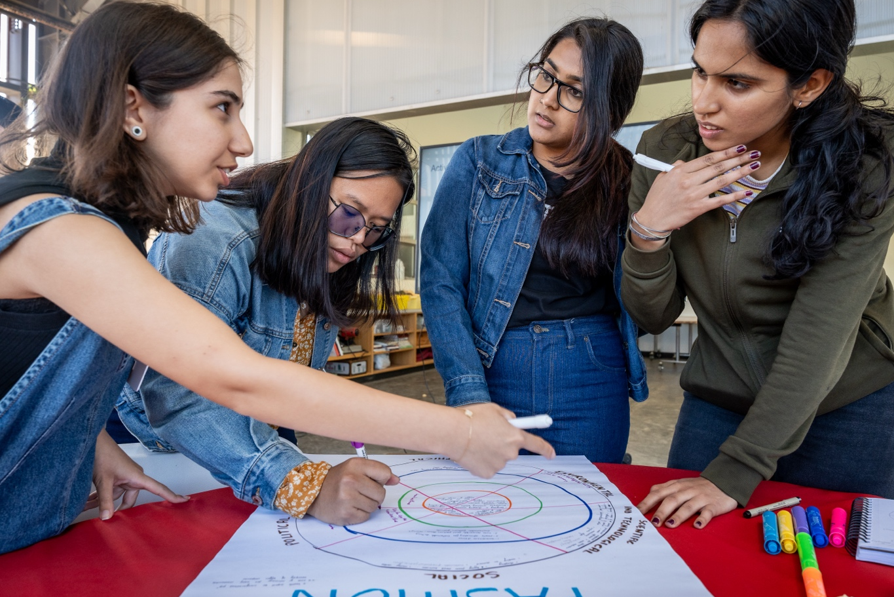
Environmental education is an important tool to help people and societies take action to address conservation and environmental issues. But, with many environmental education programs occurring worldwide, it can be challenging to know what practices are effective.
To inform design and implementation of effective environmental education, we conducted a series of eight research reviews focused on different topics related to environmental education. These reviews examined published research related to environmental education with school-aged youth, climate change education, citizen and community science programs, positive youth development, civic engagement, conservation outcomes, and early childhood education. This paper shares lessons learned across the eight systematic reviews. Our analysis finds that effective environmental education uses an array of teaching-and-learning approaches, actively involves people in learning about the environment, provides opportunities to act, links to local communities and needs, connects with people’s everyday lives, and collaborates with experts and others involved in environmental issues.
Our findings offer guidance for educators, policymakers, and funders who aim to strengthen people’s relationship with nature and build the skills needed to take environmental action. As environmental challenges grow more urgent, investing in well-designed, effective environmental education programs is one important way to help communities understand and respond to the issues that affect us all.
 Relational Thinking