By Mariana Hernandez-Montilla, Katie Devenish, Lucas Alencar, Rayna Benzeev, Pooja Choksi, Ida N. S. Djenontin, Matthew Fagan, Harry Fischer, Paola Isaacs Cubides, Thais Linhares Juvenal, Matilda Kabutey-Ongor, Judith Kamoto, Andrew Kinzer1, David Kroeker-Maus, Stephanie Mansourian, Felipe Melo, Daniel C. Miller, Sandy Nofyanza, Adithya Pradeep, Florian Reiner, Warrangkana Rattanarat, Niken Sakuntaladewi, Conghe Song, Laura Vang Rasmussen, and Johan A. Oldekop
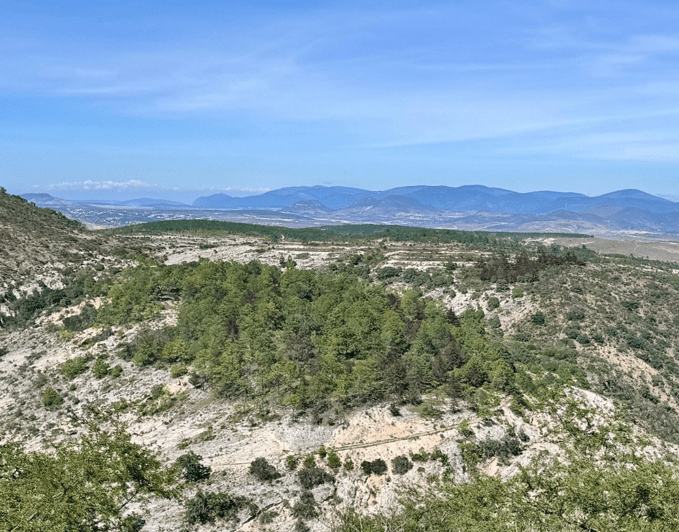
Photo: M. C. Hernández-Montilla
People often see restoring forests as a solution to the climate crisis, biodiversity loss, and improving people’s lives. Governments, companies, and donors are making large pledges for forest restoration, but many efforts still struggle to succeed. We convened 25 experts -researchers, practitioners, funders, and policy advisers- to identify the key social and environmental issues that will shape forest restoration in low- and middle-income countries over the next decade. Seven themes emerged.
First, many initiatives plant fast-growing trees in the wrong places. These can harm soils, reduce water availability, and displace native species.
Second, people’s wellbeing and cultural connections still tend to be afterthoughts in forest management. When communities do not have real decision-making agency, many projects collapse.
Third, there is a major gap in how restoration is funded. Forests take decades to recover, but funding often covers just a few years, and private investment frequently focuses narrowly on carbon.
Fourth, new technologies and financial flows are shifting influence toward governments, companies, or local elites, reducing local decision-making.
Fifth, technologies such as drones, satellite monitoring, and artificial intelligence offer new tools for restoration planning, but if access remains limited, they risk increasing inequality.
Sixth, a changing climate is already altering where and how trees can grow. Restoring forests must anticipate droughts, fires, and other risks.
Seventh, restoration increasingly competes with agriculture, mining, and infrastructure for land, creating tensions about what restoration means and who gets to decide.
In short, when short-term, carbon-only goals drive restoration it can undermine both social and environmental outcomes. Lasting restoration requires locally led initiatives, secure land and resource rights, planning for climate uncertainty, and technologies and funding mechanisms that genuinely support the people who live with the forests.
 Relational Thinking