By Clara Mosso, Stephanie Kampf, and Andrea Baudoin Farah
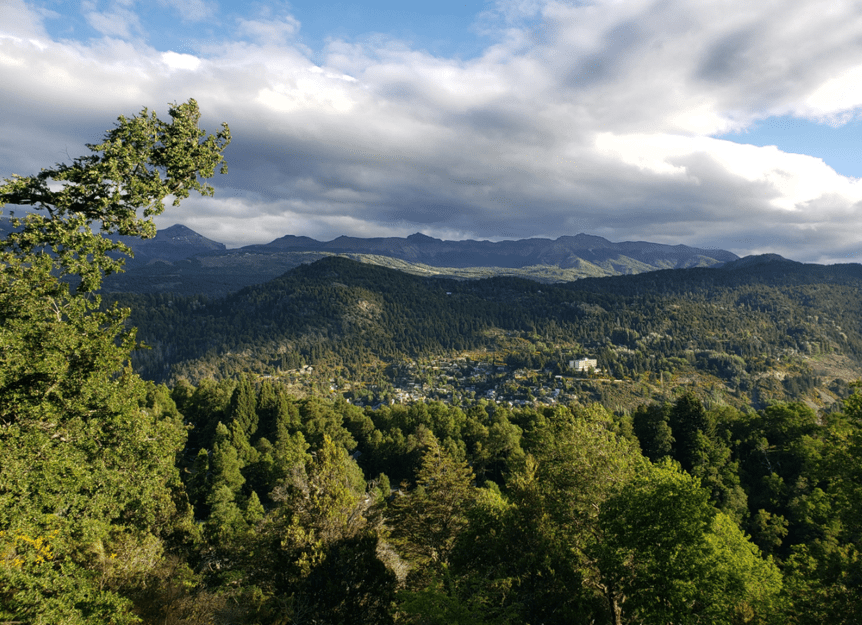
Around the World, more and more people are deciding to live within or at the edge of natural vegetation as they seek to improve their quality of life. This trend is rapidly expanding the areas where residential uses meet wildlands. These areas usually offer stunning scenery and outdoor recreation opportunities, among other benefits, that are highly valued. At the same time, they bring social and environmental challenges driven by competing demands on these landscapes, making land-use planning and management highly complex. However, these areas are usually managed from narrow wildfire prevention perspectives that overlook other aspects of how people, nature, housing development, and local economies interact.
Our study focuses on two sites with expanding areas where homes and infrastructure sit adjacent to and within natural vegetation: the Roaring Fork Valley in Colorado, USA, and San Martín de los Andes in Neuquén, Argentina. Through interviews with government officials, researchers, non-profit organizations, real estate professionals, and residents, we explored why these areas are expanding, how they are being managed, and what could improve their future planning and management.
Across both case studies, people cited similar reasons for moving into areas where residential uses meet wildlands, including an improved sense of well-being and tranquility hard to find in fully urbanized areas. Tourism industries played an important role in these migration trends, driving up housing costs and pushing residential development into wildlands to meet the housing needs of both high- and low-income residents.
Participants called for integrating environmental and ecological considerations into planning and management to preserve the benefits of living close to nature while also addressing housing needs. Most agreed that planning and management in areas where urban uses meet wildlands should involve active public participation. Since development pressures have unequal impacts across communities depending on income and background, considering equity and environmental justice dimensions becomes essential. Our study calls for rethinking how we plan and manage these unique places where cities meet nature through knowledge integration and active public participation. It provides insights into more comprehensive and collaborative approaches to better balance housing needs, environmental protection, and quality of life.
 Relational Thinking