By Kristiina Gibson, Monika Suškevicš, Baiba Prūse, Marta Barberis; Sara A. O. Cousins, Živa Fišer, Margaux Julien, Marianne Kivastik, Marcin Klisz, Attila Lengyel, Zuzana Münzbergová, Radosław Puchałka, Iris Reinula, Froukje Rienks, Julie Koch Sheard, Viktor Siverin, Bojana Stojanova, Sabrina Träger, and Tsipe Aavik
Citizen science projects, where non-expert volunteers help observe nature, have been successful in gathering valuable data about the Earth. However, while good communication is key for engaging public, it is not clear what makes communication work best in large-scale transboundary citizen-science initiatives.
This study analyzed communication efforts in a large pan-European citizen science campaign called “Looking for Cowslips,” which involved 31 countries, provided data from over 5000 locations and engaged thousands of citizen scientists. Using interviews, surveys, and group discussions, we questioned national co-organizers, including numerous researchers from academic institutions as well as representatives from non-governmental environmental organizations to find out what facilitated their communication efforts and what kind of barriers they faced.
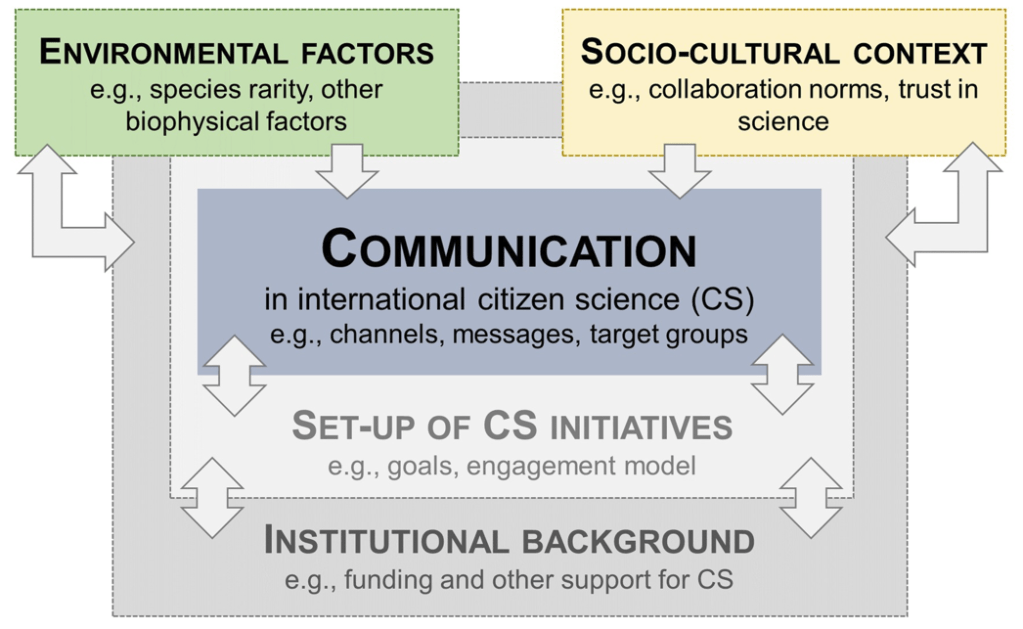
Responses showed that three key groups of factors may affect communication success in international citizen science projects. The factors affecting communications success related to: (1) local environmental conditions, (2) cultural and social context, and (3) communication support and funding. In particular, the spatial occurrence and rarity of the study species, the indigenous knowledge and traditions of citizen science, and the access to systemic moral and financial support influenced the level of public engagement.
We found that scientists often struggle with carrying out extensive communication because they lack time and resources. However, we observed that co-organizers from environmental organizations are much better equipped with communication tools and have access to networks of potential citizen scientists. Therefore, collaboration between universities, environmental organizations and local groups of people can substantially enhance successful involvement of public.
While technology has helped the broad application of citizen science projects, well-developed internal communication among co-organizers as well as with the public is crucial to reach and engage people across different countries and cultures.
 Relational Thinking