By Juan Antonio Ortega-García, Francisco Díaz-Martínez, Laura Teresa Cabrera-Rivera, Carmen Alicia Cánovas-Conesa, Elena Codina, Rebeca Ramis, and Luz Claudio
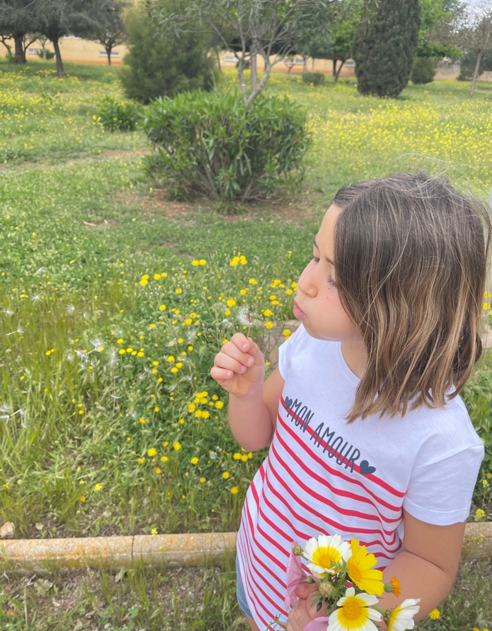
Children today spend less time outdoors than previous generations, which can affect their health, wellbeing and relationship with the environment. We surveyed nearly 3,400 students aged 7–17 from 50 public schools in a Mediterranean region to understand how connected they feel to nature and how often they spend time in natural spaces.
Using their answers about outdoor activities, outdoor lessons, pets, tree-planting and feelings towards nature, we built the Nature Connection and Experience Index (NCEI), a simple score that combines experiences in nature with emotional connection. About three in four students reported less than one hour per day of contact with nature across the year. Younger pupils, those with pets and those who had outdoor lessons scored higher on the NCEI; girls also showed a stronger connection than boys.
These findings suggest practical actions for schools and councils: integrate regular outdoor learning into the timetable; improve access to nearby green and blue spaces—especially in urban and low-income areas; and support families to spend time outdoors together. Strengthening children’s everyday relationship with nature can benefit health and learning and help build more sustainable, resilient communities.
 Relational Thinking