By Viola Hakkarainen, Katriina Soini, and Christopher M. Raymond
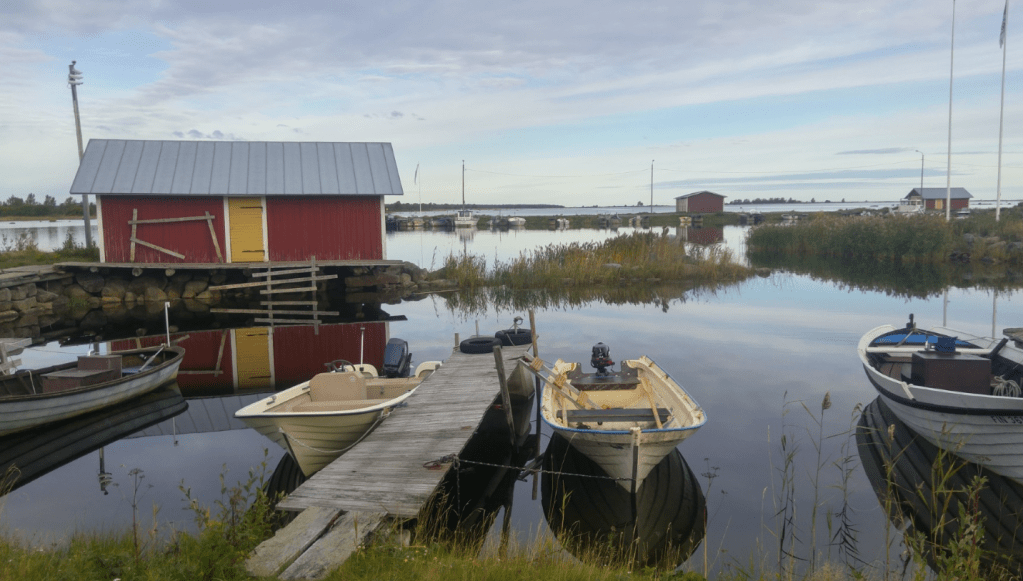
To manage and govern ecosystems inclusively, it is important to recognise the various ways people connect to places and the different forms of knowledge they hold about them. However, sense of place scholarship has rarely examined how people’s relationships to places are shaped by how and what they know about those places.
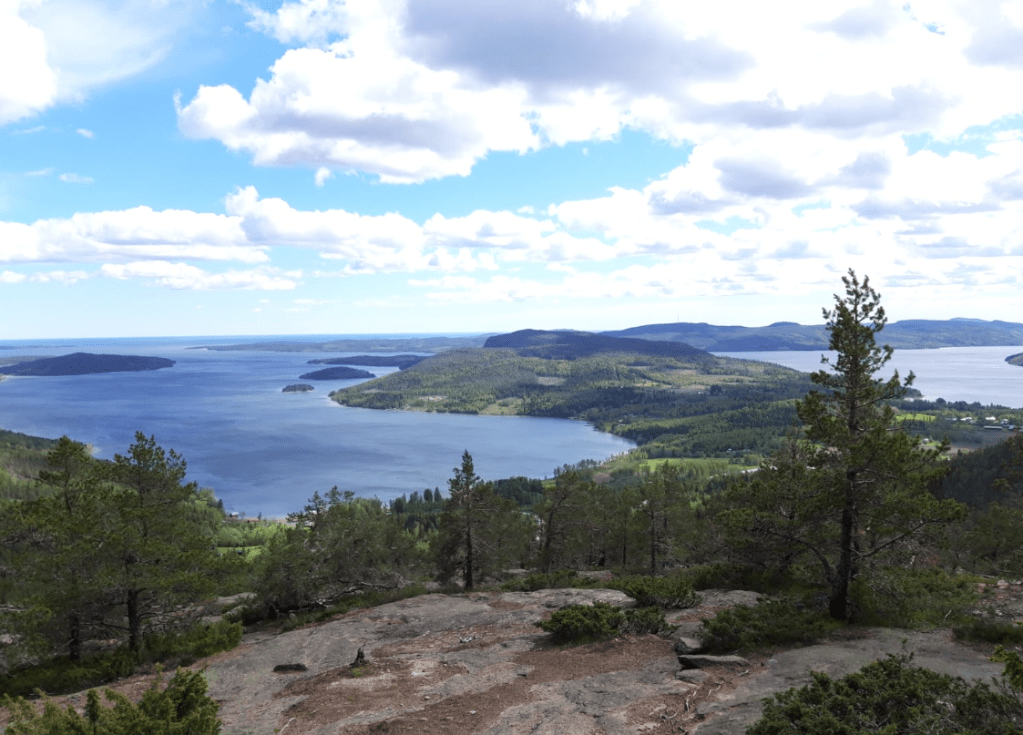
This research surveyed 306 residents of the High Coast/Kvarken Archipelago UNESCO Natural World Heritage Site (in Sweden and Finland) to study residents’ relationship to the area through their knowledge, referred to in the study as epistemic bonding. It also examined how epistemic bonding relates to five established dimensions of place attachment: identity, dependence, connection to nature, friendships and family ties. Finally, the survey assessed how these knowledge-based bonds influence residents’ opinions on the management of the World Heritage Site.
The findings showed that people with stronger epistemic bonds to the area also had strong place identity and dependence. Epistemic bonding was correlated with longer residency or a family history in the area. Age was not a key factor influencing the strength of epistemic bonding. In Finland, those with high epistemic bonding were more likely to oppose official nature-protection efforts in the World Heritage Site.
This research highlights the potential of epistemic bonding to clarify how residents respond to knowledge and decision-making processes affecting places they are connected to. Including this perspective could support more inclusive ecosystem governance.
 Relational Thinking