By Victoria REYES-GARCÍA, Emmanuel M.N.A.N. ATTOH, Christopher BARRINGTON-LEIGH, Petra BENYEI, Laura CALVET-MIR, Rumbidzayi CHAKAUYA, Abdullah Al FAISAL, Eric D. GALBRAITH, Marcos GLAUSER, Andrea E. IZQUIERDO, André B. JUNQUEIRA, Xiaoyue LI, Yolanda LÓPEZ-MALDONADO, Sara MIÑARRO, Vincent PORCHER, Anna PORCUNA-FERRER, Anna SCHLINGMANN, Priyatma SINGH, Miquel TORRENTS-TICÓ, and LICCI Consortium
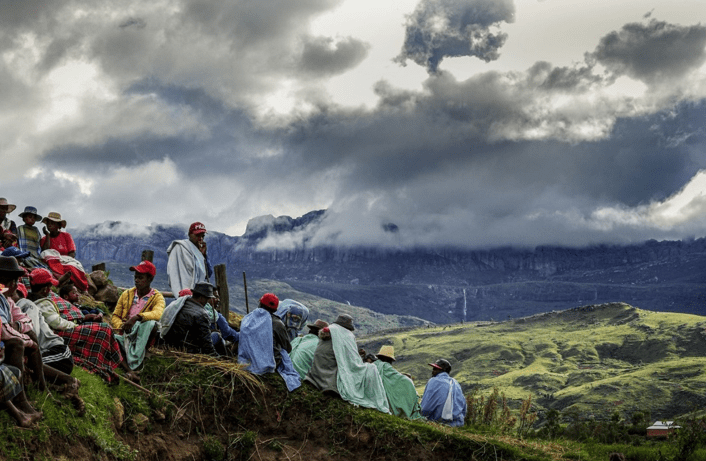
We wanted to understand how climate change affects people’s life satisfaction in communities that depend on nature for their daily lives. Many studies focus on industrialized countries, but we know far less about places where people rely directly on the environment for food, work, and daily needs. To explore this, we spoke with 2,488 people across 14 communities. We asked them what changes they had noticed in their environment, how severe they thought these changes were, and how satisfied they felt with their lives overall. This approach let us hear directly from people about both their experiences with climate change and their sense of satisfaction with life.
When we looked at the data, we found that life satisfaction was generally lower in communities that experienced stronger or more severe climate change impacts. In other words, the more a community felt the effects of climate change, the less satisfied people tended to be with life. Interestingly, when we looked at individual experiences within the same community, there was little connection between how strongly someone felt climate change and their personal life satisfaction. This suggests that it is the overall vulnerability and exposure of a community to climate change impacts, rather than individual experiences, that matters most.
Our findings show that climate change affects well-being in ways that go beyond individual perception. They show that the impacts occur through multiple dimensions and that local context—such as the characteristics of a community and how dependent it is on the environment—is crucial in shaping how people experience climate change. Understanding these relationships can help guide policies and interventions to better support communities facing environmental changes, highlighting that one-size-fits-all solutions may not work.
 Relational Thinking