By Jessica A. Balerna, Brendan Fisher, Beverley C. Wemple, Molly Myers, Rodrigo Soares, Ruth Quainoo, Masood Ali Khan, Scott C. Merrill, and Trisha R. Shrum
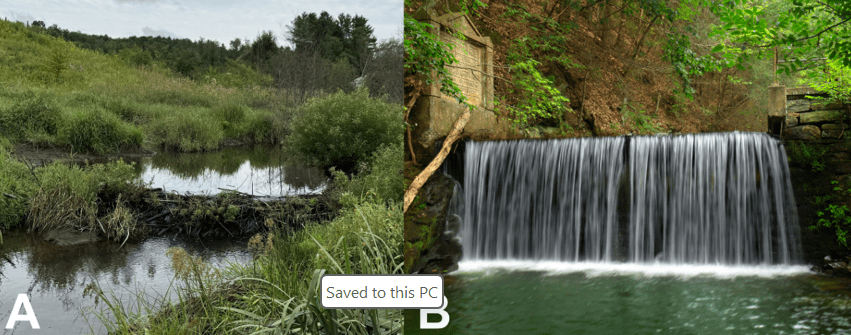
Flooding events are becoming more common across the United States, which puts more people at risk than ever before. We can lessen the impacts of flooding events by investing in a variety of flood relief projects. Currently, most communities rely only on engineered structures, such as manmade dams and levees, for flood relief. However, these structures often do not provide any additional benefits to surrounding communities and may not be adaptable for worsening flood events caused by climate change. Natural flood control, like restoring wetlands and forested areas around streams, is a viable and important strategy for flood relief. While it should be a part of every community’s portfolio of flood relief projects, few communities have invested in these types of projects.
To learn more about how people think about flood control and why natural flood control measures may be implemented less often than engineered structures, we surveyed 925 people across the United States. We found that many people want their communities to invest in natural flood control projects at least as often as they invest in engineered structures. People who knew more about the benefits that natural flood control measures provide wanted to see greater investment into those measures even at the expense of investment into engineered structures. However, 40 % of people in our survey also reported that they did not know much about how natural spaces can reduce flooding impacts. We found that those perceptions were often associated with people who did not know much about flooding, like how at risk their home was to flooding or what common flood terms mean. Together, these results tell us that community discussions around flood risk can be a pathway for learning more about natural flood control measures and the more people learn about natural flood control measures, the more they want them implemented in their community.
We therefore recommend that leaders engage in community discussions about natural flood control measures when discussing flood risks and that these discussions happen as proactively as possible. During these conversations, leaders can help dispel myths about using natural flood control measures, such as that they are not as effective as engineered structures or that they cost too much compared to engineered structures. Leaders can also emphasize the many benefits that natural flood control measures provide, like supporting animal and plant habitat and providing space for people to walk, hike, or explore. These benefits can help sway public opinion in favour of natural flood control measures over engineered structures, which often do not provide any of those same benefits.
 Relational Thinking