By Qianzi JIANG, Xueyuan LIANG, Guangjing LI, Zheng LIU, Menghui WANG, Ziyi LI, and Yuehan DOU
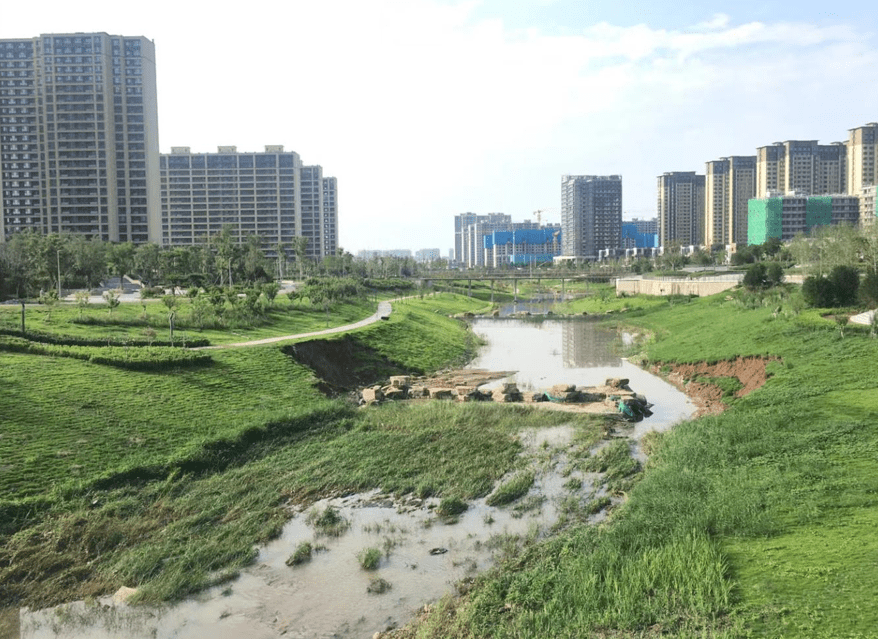
Urban rivers play a crucial role as interfaces between social and ecological systems, offering spaces for recreation and well-being. Yet, with rapid urbanization, many urban rivers have been transformed from multifunctional ecosystems into engineered channels. While people often express a preference for “natural” rivers, our study asks: do all aspect of natural rivers meet the needs of urban residents? And how do people perceive other types of urban rivers?
We surveyed 755 residents in Jinan, China, to explore public perceptions of nine urban rivers with different ecological conditions. We categorized these rivers into three types: (1) canalized: concrete banks with minimal vegetation; (2) landscaped: ecologically restored and designed, based on previously canalized forms; and (3) natural: largely undisturbed by urban development.
We found that the public does indeed show greater perception with the ecological functions of natural rivers, yet water quality and biological habitats still require urgent attention. We also identified which river characteristics most influence public perception—key factors include water quality, flow speed, how much the river bends and snakes, tree coverage, and habitat diversity.
To improve visual, psychological, and recreational experiences along urban rivers, we recommend combining structural and ecological interventions, such as restoring river curves and improving management of riverside vegetation. Our findings highlight the importance of public involvement in environmental management and provides valuable insights for policymaking and the sustainable development of urban rivers.
 Relational Thinking