By Hannah Sackey, James McNamara, E.J. Milner-Gulland, and Yaa Ntiamoa-Baidu
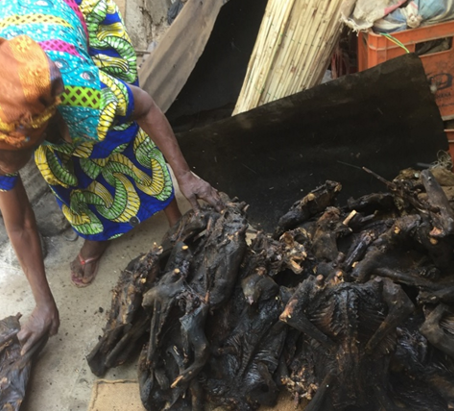
In northern Ghana, people eat the meat of wild animals, commonly called bushmeat, as part of their diet. Even though it is common, we know little about how important bushmeat is for food in savannah areas like northern Ghana, where wildlife is disappearing and poverty is widespread. We wanted to understand why local people eat bushmeat, what influences their choices, and how this connects to the bigger picture of food and wildlife in such areas.
To find out more, we focused on two villages and collected information about 471 households through surveys and group discussions. We asked people what kinds of meat they eat, which ones they prefer, and how often they can afford to eat them.
We found that smaller animals like African savanna hares and grey duikers were the species people most commonly preferred to eat. What stood out was how poverty limits people’s access to food. Larger families, or those with someone who hunts, preferred bushmeat more. People liked bushmeat mainly for its taste, but they did not eat it often. The main reason was that it was not always available or affordable. People did not even eat domestic meat often, for the same reason. Instead, many families turned to cheaper proteins like smoked fish and locust bean.
Our work shows that food insecurity, not just taste, shapes why and how people consume bushmeat. To help both people and wildlife, policies should focus on making animal protein like fish more available and affordable. At the same time, we need to better understand how bushmeat use is affecting wildlife, so that future efforts can support both people and nature in such areas.
 Relational Thinking