By Fritha West, Rehema White, Althea Davies, Richard Buggs, and Mariella Marzano
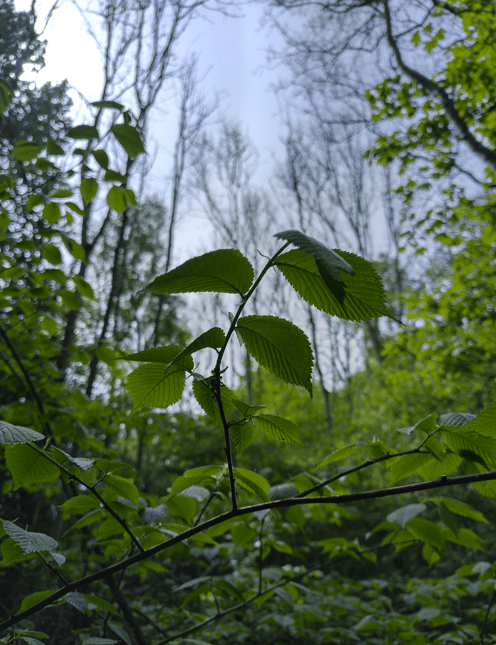
What does it mean for a tree species to be ‘lost’? Think about the last time you saw a big, mature elm tree. Have you ever seen one? Did you know they were once extremely common and were one of our most important timber species, used for everything from cradles to coffins? Since the 1960s, these trees have been increasingly affected by Dutch elm disease, which has led to the death of millions of trees each year. Those that do survive tend to be very isolated, or stay small and scrubby, which means they don’t provide as much for people or wildlife as they once did. Because of this, our relationship to elm has changed over the years, so even when they are still physically present, the cultural connections, appreciation and understanding people have of them has mostly disappeared.
What was once a symbol of resilience in Gaelic culture, and a ‘tree of the common people’ in England and Wales, is now barely recognised. In this paper, we explain the different ways elm has been ‘lost’: human connections (social and cultural); the roles they play in the ecosystem, such as providing habitat (functional); their physical presence (biological). Conservation, tree breeding and biological research have come a long way in the last few decades, and it might soon be possible to bring back elm trees across Britain. But before that happens, we need to understand who cares, why they care, and what they might want to do about it, because how people feel about different elm management options can alter the outcome of any restoration efforts.
 Relational Thinking