By Elliot D. Convery-Fisher, Adam Devenish, Sam Staddon, F. Laura Rafanomezantsoa, and Caroline E. R. Lehmann
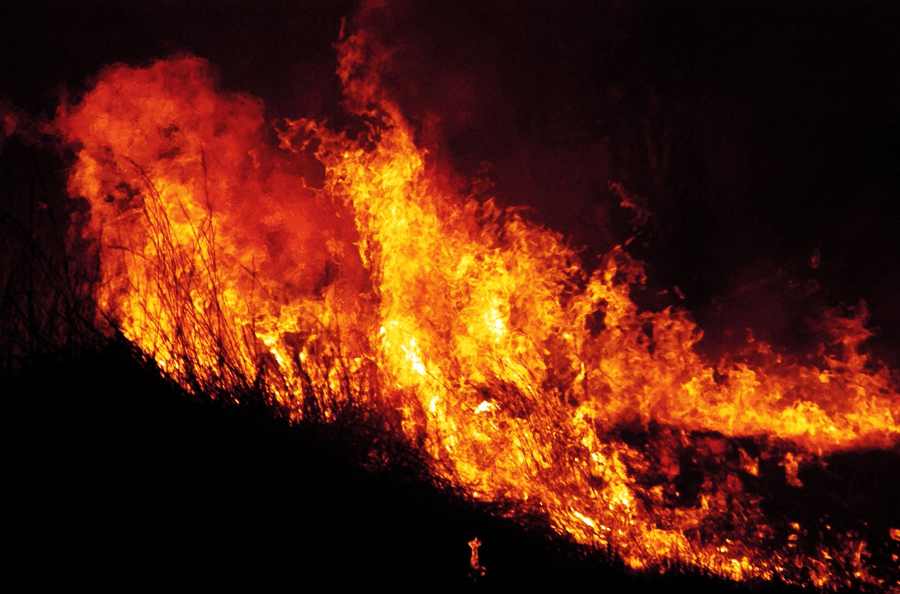
Fire use in Madagascar’s grasslands creates conflict between rural communities who depend on burning for their livelihoods and government officials who view all fires as environmentally destructive. This disagreement makes it difficult to develop effective fire management policies that work for everyone. We wanted to understand how different groups think about what causes grassland fires, so we could find ways to reduce this conflict.
We conducted focus group discussions with 133 people from five separate groups: government officials, conservation workers, community leaders, farmers, and herders across central Madagascar’s Ambatofinandrahana district. Participants created visual maps showing what they believed caused fires and how these factors connected to each other. We then used statistical methods to compare these different viewpoints.
We found major divisions between rural fire users and authorities but also discovered that community leaders held middle-ground perspectives and all groups agreed that poor infrastructure and cattle theft contribute to fire problems. These shared concerns could serve as starting points for collaboration. Our findings suggest that fire management policies should move beyond simply banning fires to addressing underlying socio-economic problems like inadequate rural services and weak institutions. Community leaders could play important roles as mediators in developing more inclusive fire management approaches that respect both conservation needs and rural livelihoods.
 Relational Thinking