By Masari Date, Yuya Fukano, and Masashi Soga
Our feelings often guide the choices we make, sometimes more strongly than facts or logic. Protecting biodiversity requires people to develop positive attitudes and behaviour towards nature. But how much do our emotions towards nature shape these choices?
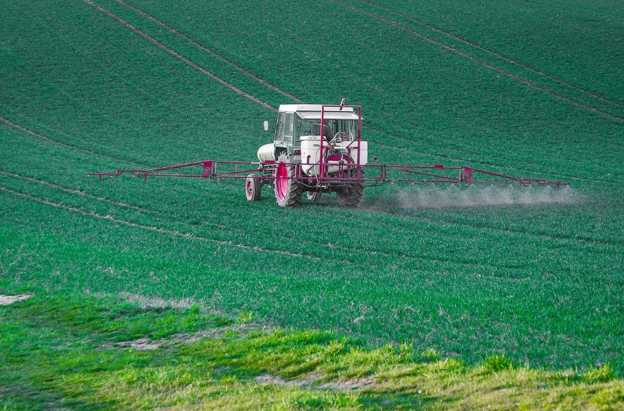
To answer this question, we conducted a large online survey in Japan with more than 7000 participants. We focused on ‘entomophobia’, the feeling of fear or disgust towards insects, and asked whether it affects people’s support for organic vegetables and pesticide-free farming.
The results were striking. People who felt stronger disgust towards insects were less supportive of organic vegetables and pesticide-free farming, and were more likely to prefer conventionally grown vegetables and the use of pesticides. The influence of insect disgust on people’s attitudes was comparable to, and in some cases stronger than, other factors long considered important, such as education or income.
Entomophobia is one of the most common forms of biophobia. It appears to be increasing worldwide, possibly due to urbanisation and the decline in opportunities to experience nature. If this trend continues, it could have hidden consequences for biodiversity conservation—not through direct environmental damage such as insect eradication, but by eroding public support for wildlife-friendly farming.
So, how can we address this? While some insects are indeed harmful or dangerous, many are not. By improving understanding of insects and creating more opportunities for people to experience them in safe, everyday contexts, we may reduce unnecessary entomophobia. Fostering a sense that insects are familiar and valuable neighbours could help shift public attitudes, making support for biodiversity-friendly agriculture more widespread. Such efforts may play a crucial role in shaping the future of biodiversity conservation.
 Relational Thinking