By Elina Apine and Tim Stojanovic
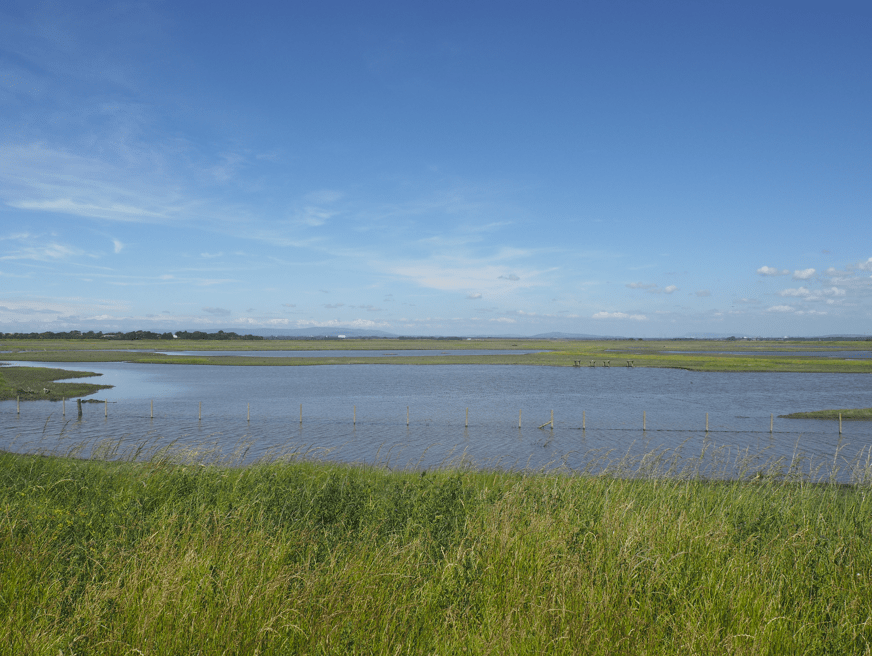
Coastal areas are facing serious threats from more frequent storms, flooding and coastal erosion. This calls for effective strategies to adapt to climate change and protect coastal communities. Traditional engineering solutions like seawalls can harm natural habitats and are costly. In contrast, coastal habitats such as saltmarsh and sand dunes can provide protection against storms and flooding and are important for biodiversity. Therefore, working with nature to use the benefits of natural environments is gaining attention in coastal management. However, their success depends on community support, which can be low due to doubts about their effectiveness or limited experience and knowledge. Building acceptance of such approaches is crucial for better coastal management.
Our study focused on four coastal locations in the UK at risk from flooding and with different coastal protection schemes in place. We used surveys and focus group discussions to explore the perceptions of coastal schemes that involve restoring natural coastal habitats.
We found that coastal habitat restoration is viewed more positively in areas where it is already ongoing compared to those protected by seawalls and other engineered structures. Communities across all locations appreciate the benefits of coastal habitats for leisure and visual enjoyment, but are often unfamiliar with different approaches and terms, such as nature-based solutions. We discovered that there is also a lack of confidence in local decision makers and general distrust of government authorities regarding coastal protection. Those involved in decision making also highlighted an often complicated and lengthy process to implement schemes working with nature.
These findings show that while natural approaches are highly valued, they are not fully understood. It is essential to build trust, engage communities early in the planning process and openly discuss the benefits of such approaches. Collaborative decision-making is necessary, as low community support can further weaken vulnerable communities.
 Relational Thinking