By L. Eusse-Villa, C. Franceschinis, V. Di Cori, N. Robert, D. Pettenella and M. Thiene.
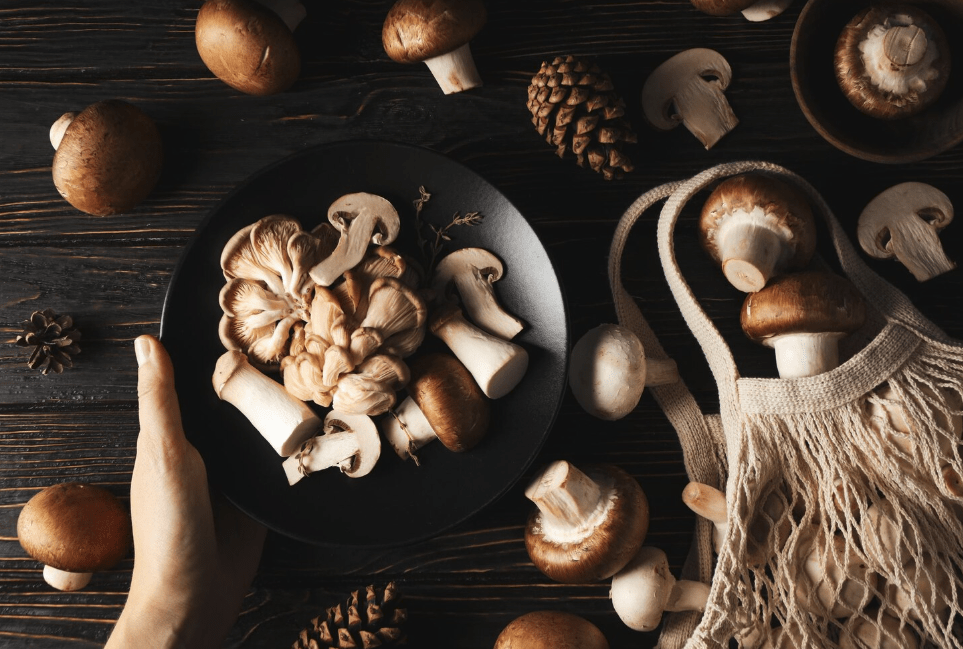
Forests provide us with many benefits beyond timber, including wild foods that people have collected for generations. In Italy, gathering wild mushrooms, berries, and herbs is deeply rooted in regional cultures and cuisines. However, we didn’t know how much people value these resources or whether they would support conservation programs to protect them. However, we discovered that people across Italy are willing to pay money to protect wild mushrooms, berries, and herbs in their forests, and local food traditions strongly shape their preferences.
We surveyed over 1,000 Italians from across the country, asking them to choose between different forest management programs that would increase the availability of wild foods. Each program had different costs and benefits, allowing us to calculate how much people would be willing to pay for these conservation efforts.
Our results show that Italians are willing to pay for programs that maintain and increase wild food availability in forests. More importantly, we found clear geographical patterns in people’s preferences. Northerners were most willing to pay for berry conservation programs, reflecting the strong berry-picking traditions in regions like Trentino and Piedmont. Southern Italians, particularly in Apulia, showed the highest willingness to pay for wild herb conservation, matching the region’s rich tradition of using wild herbs in cooking.
Our findings have important implications for conservation policy. Rather than using one-size-fits-all approaches, decisionmakers should design conservation programs around regional cultural values. For example, berry conservation programs would likely be most successful and well-supported in northern Italy, while herb conservation efforts should focus on the south. Moreover, our research provides insights about how people connect with nature, revealing that individuals tend to prioritize the protection of natural resources that are closely tied to their regional identity.
 Relational Thinking