By Brenda Maria Zoderer
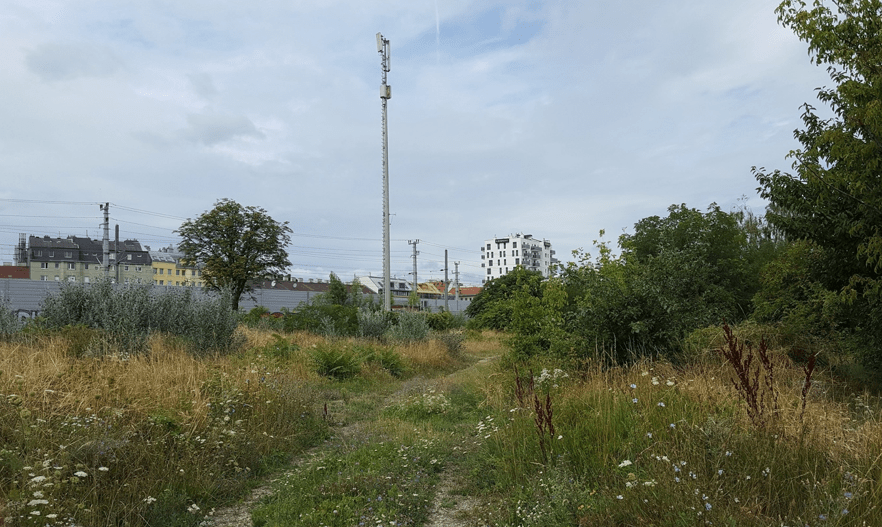
Greenspaces such as ‘urban forests’ or ‘urban wastelands’ can provide people living in cities with new opportunities to experience wild nature in close proximity. However, are such urban wild spaces popular among urban residents and if not, what prevents them from visiting these spaces?
In this study, I asked 800 people living in Vienna, Austria about their use of three types of urban wild spaces: urban forests, urban wastelands, and urban wildflower meadows. I found that 7 % of urban residents don’t visit any of these greenspaces, and 36% don’t visit urban wastelands. The main reasons why people don’t visit wild spaces concern their lack of availability and accessibility, with the perceived attractiveness being a minor issue. I find that ecological literacy is an important precondition for some people to visit wild spaces. This is because people who lack knowledge about nature may not be aware of the ecological value of wild spaces and decide to spend their time elsewhere instead. Moreover, accessibility of wild spaces is unevenly distributed across social groups. For example, women, the elderly, and people with less money are less likely to visit wastelands.
Cities should consider multiple strategies to ensure that everyone can access urban wild spaces and enjoy their benefits: create more wild spaces close to people’s homes, stimulate interest in these spaces by communicating their ecological value, and carefully adapt the design of these spaces to meet the needs of women, the elderly, and low-income residents..
 Relational Thinking