By Ranjini Murali, Altynai Adabaeva, Sixto Angulo, Rosario Arispe, Matthias Baumann, Arash Ghoddousi, Amirhossein Khaleghi Hamidi, Martin Jansen, Leili Khalatbari, Igor Khorozyan, Oswaldo Maillard, Daniel Müller, Alfredo Romero Mũnoz, Tatjana Rosen, Damian Rumiz, Alex Soshin, Gholam Hosein Yusefi and Tobias Kümmerle
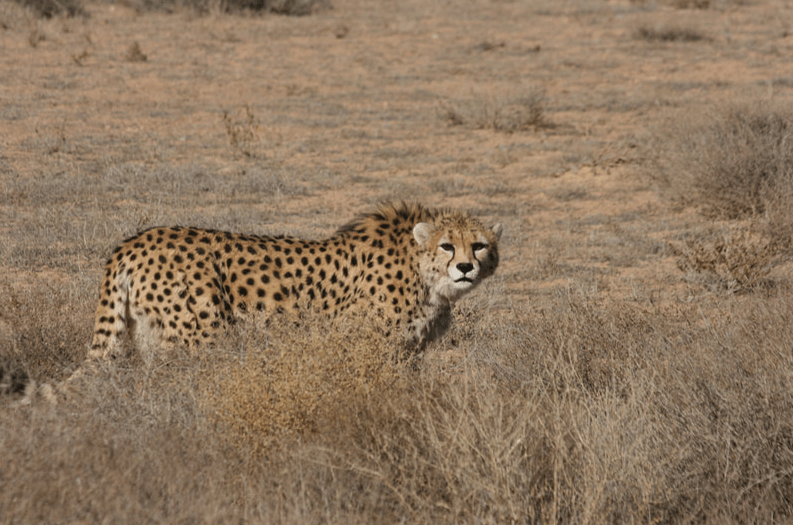
Sometimes socioeconomic or political conditions change suddenly and drastically, such as during wars, financial crises or when a pandemic breaks out. Such shocks often disrupt economies, governments, and everyday life. We usually focus on how these shocks affect people but they can also have serious consequences for the environment, including for large carnivores.
Large carnivores are important for several reasons. They help maintain healthy ecosystems by keeping prey populations in check, they are culturally important for many communities, and they can bring economic benefits through ecotourism. However, large carnivores are also threatened in many parts of the world. They face shrinking habitat and declining prey, and people often kill them out of fear for their livestock or themselves. What happens to these threats to large carnivores when societies experience shocks?
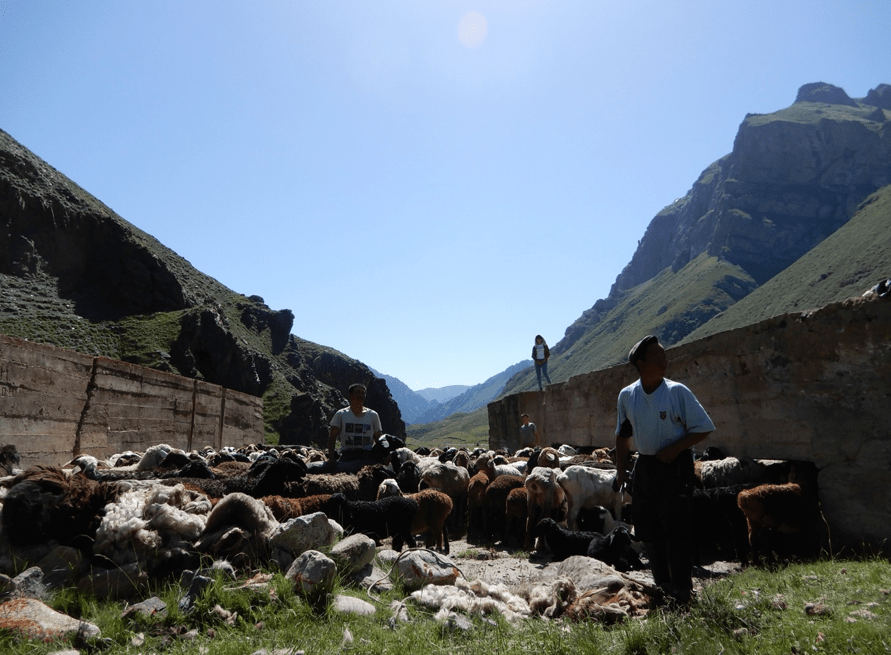
In our study, we investigated this question using a social-ecological approach, meaning we specifically looked at how people and the environment interact. We examined three case studies to understand the different ways in which shocks can affect large carnivores: (1) economic sanctions in Iran and their effects on the Asiatic cheetah; (2) global commodity price crashes and how they influenced jaguar populations in Bolivia, and finally (3) the collapse of the Soviet Union and its consequences for snow leopards in Kyrgyzstan.
In each case, we found that shocks disrupted the formal and informal rules and norms related to conservation and land use, and this led to negative outcomes for large carnivores. For example, when conservation funding decreased, local enforcement weakened or communities’ priorities shifted in response to changes in national policy or economic hardships. Because conservation efforts often depend on political stability and outside financial support, they can be particularly vulnerable when societies are under stress. While shocks can also present windows of opportunity, which can decrease threats to carnivores (for example, decreased poaching as certain spaces may become inaccessible), we did not find examples of these in our cases.
Our findings highlight an important point: as the world faces increasing uncertainty, including the impacts of climate change, we need stronger, more flexible conservation approaches closely involving local communities, that can continue protecting large carnivores even during times of crisis.

 Relational Thinking