By Pascal Marchand, Nolwenn Risser, Elodie Petit, and Mathieu Garel
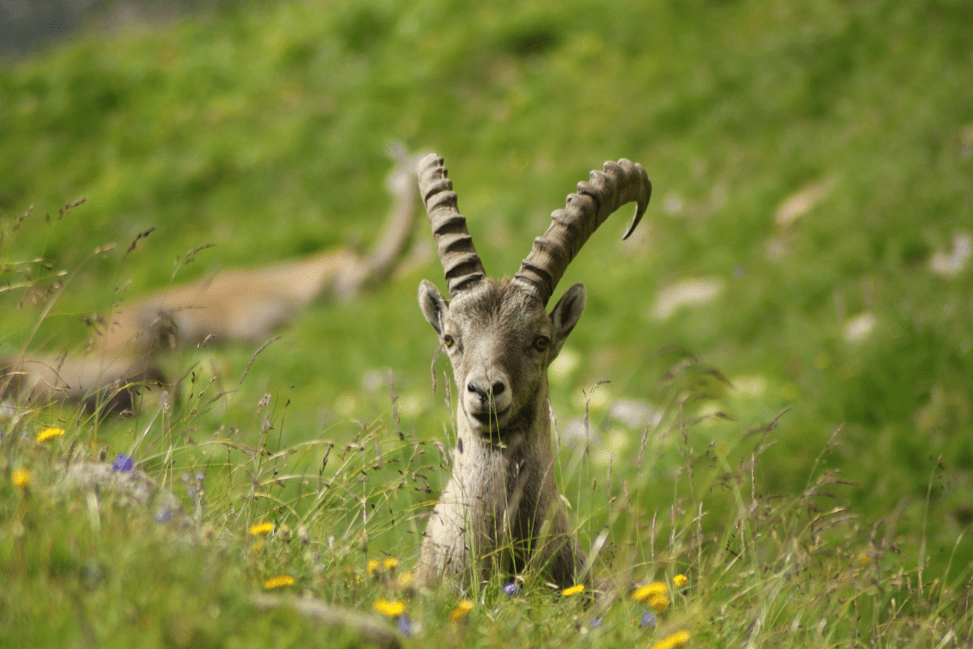
Despite decades of research on the impacts of nature-based recreational activities, little is known about potential wildlife disturbance by massive sporting events (MSEs) such as trail-running and cycling events. These types of MSEs have recently exploded in developed countries. Here, we analysed the behaviour of the Alpine ibex (Capra ibex, an endemic, emblematic and protected alpine herbivore species). We monitored the ibex with GPS collars, during daytime when MSEs occurred and the following night. We compared those records with similar data in absence of MSEs. Both in absence and during MSE, we revealed the distribution of ibex, the distance they travelled, and their activity level depended on the distance to the hiking trails and roads used as MSE routes, a phenomenon known as the ‘corridor of fear’. Ibex relocated farther from infrastructure concentrating recreational activities – up to 500m – and those that were within 500m of the route tended to travel longer distances and were more active with decreasing distance from the infrastructure.
However, trail-running events that crossed the seasonal range of ibex during the spring reproductive period amplified such responses even more: ibex use of the 500m around MSE route decreased by 20% compared to reference data, their movements increased by 14% and their activity pattern was also modified during daytime when the events occurred. By contrast, cycling races that occurred mostly in summer on roads farther from ibex range, only slightly modified ibex behaviour. These contrasting responses suggest the spatial and temporal overlap between MSE and animal seasonal space use and biological cycle is important in determining the intensity of wildlife disturbance. Our study raises concerns about further detrimental consequences for ibex, and provides information for managers to work towards co-existence between recreational activities and biodiversity.
 Relational Thinking