By Ethan D. Doney, Tom Fry, Valerio Donfrancesco, Hanna Pettersson, Sahil Nijhawan, Douglas A. Clark, Clemens Driessen, Christine Ampumuza and Chris Sandbrook
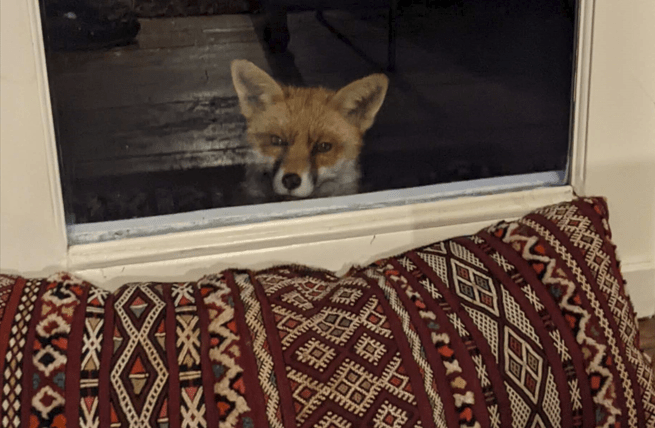
Human-wildlife interactions are increasing in frequency and complexity across the globe. This is happening for many reasons, including species recovery and/or conversion of natural habitats, affecting the lives and behaviours of both people and wildlife. Yet, this shared experience is not reflected in the literature that often narrowly conceptualizes “habituation”. Habituation is typically presented as a one-directional and often undesirable process, in which animals grow accustomed to human presence. In this paper, we argue that this framing is too limited to capture the realities of contemporary human-wildlife relations.
In our study, we conducted a scoping review of over 200 articles across disciplines—including ethology, behavioural ecology, conservation biology, recreation studies, anthropology, geography, and human-animal studies—to assess how these disciplines and areas of research discuss and frame “habituation”. This revealed that habituation isn’t just a simple behaviour change in animals, but a complex process that unfolds between people and animals together. As such, we suggest that habituation is both reciprocal and contextual, meaning that it involves changes on the part of both people and wildlife, and that these changes are shaped by broader cultural, historical, political, and economic contexts.
To help make our case, we also share four examples from our own research. These examples highlight how people and animals influence each other’s behaviour in ways that can be helpful, harmful, or somewhere in between, depending on the situation. Outcomes vary significantly depending on how people and wildlife interact with each other, and on the broader influences like land use policy, economic inequality, and institutional authority, that mediate those interactions.
Rather than offering a new universal (re)definition, our paper aims to stimulate discussion and broaden how researchers conceptualize habituation. Recognizing habituation as a reciprocal two-way process that is deeply shaped by contextual factors enables a more nuanced understanding of human-wildlife interactions, promoting more reflexive, inclusive, and situated approaches to conservation research, policy, and practice.
 Relational Thinking