By Claire Narraway, Eline van Remortel, Sophie Cowling, Divya Kumar, Hanna Mroczka, Emilija Rudzinskaite, Geogina Sturgeon, Sasha Woods and Daniel Hayhow.
Despite global initiatives like the Bonn Challenge and Trillion Trees Campaign, many tree-planting projects fail within years and global tree cover continues declining. We argue that cultural significance—the meanings, values, feelings, ideas and associations that communities attach to trees—represents a critical but underutilized factor for restoration success.
Evidence from India’s sacred groves, Japan’s Chinju-no-mori forests, the Sheffield Street Trees controversy, and public reaction to the Sycamore Gap Tree felling demonstrates that when communities view trees as integral to their identity, history, or spiritual life, they provide active preservation through maintenance, physical resistance, and legal action. Cultural connections transform tree-planting from external intervention to community stewardship.
By systematically comparing cultural frameworks, we identify nine cultural pathways through which people connect to trees: aesthetic, sense of place and belonging, spiritual and religious, historic, symbolic, knowledge, tangible benefits, inherent value, and cultural traditions and practices. We propose five opportunity types for restoration projects to cultivate these connections: tree-planting design, community gatherings, educational activities, recreational and therapeutic programs, and arts and creative expression.
These approaches enhance tree survival while strengthening social cohesion, improving human wellbeing, and promoting equitable environmental governance. Activities such as co-designing planting sites, community storytelling, citizen science programs, and cultural ceremonies create lasting bonds between people and landscapes.
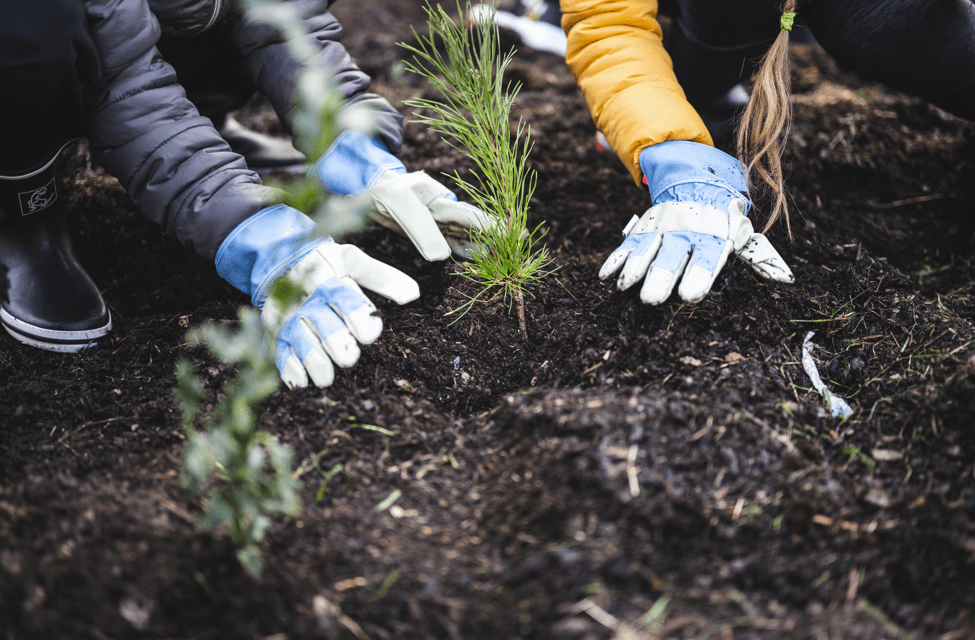
With increasing pressure on land from growing population sizes and climate change, tree-planting cannot just be about putting trees in the ground. It must grow relationships—between people, places, and the natural world—so that new forests can become lasting legacies of cultural and environmental care.
 Relational Thinking