By Kyne F.C; Castaneda, A; Chapman, J.K; Solomon, J.N.; Green, S.J.
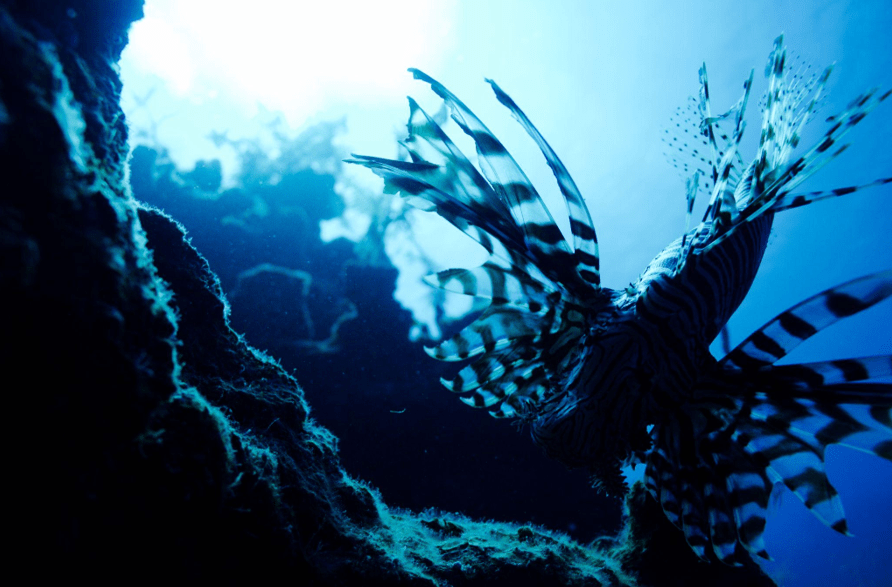
Invasive species are a big threat to nature, and managing them can be very difficult—especially when they spread quickly and over large areas. In this study, we focus on the Indo-Pacific lionfish, which has invaded coastal waters in Belize. These fish are harmful because they eat native species and disrupt the reef ecosystem. Since getting rid of them completely is no longer possible, we need smart, long-term strategies to keep their numbers down while also supporting local people who rely on the ocean.
To do this, we used a “social-ecological systems” (SES) approach. This means looking at both the environmental and human sides of the problem—how people and nature are connected—and using that information to help make better decisions. Over six years, we worked closely with local fishers, community members, scientists, and government officials to build a shared understanding of how the lionfish invasion affects the reef and coastal livelihoods.
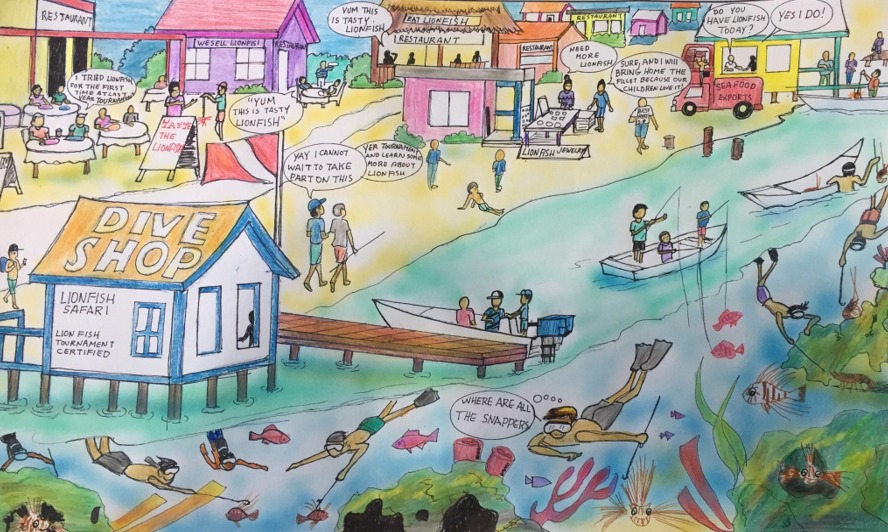
Together, we created a model of the system that helped us track key changes and explore different management options. One of the best solutions turned out to be market-based: encouraging people to catch and sell lionfish, and even promoting lionfish-related tourism. These actions not only helped control lionfish numbers but also provided economic opportunities for local communities.
This project shows that involving many voices and types of knowledge—through a participatory process—can lead to stronger and more widely supported management strategies. Our approach could be used in other places facing similar challenges from invasive species, especially where ecosystems are already under stress. By working together and thinking holistically, we can find practical solutions that benefit both people and nature.
 Relational Thinking