By David S. Mason, Mark E. Bell, Kenneth F. Kellner, Chad M. Stewart, and Jerrold L. Belant.
Health and well-being are goals for all people, but they are especially urgent for those experiencing food and nutritional insecurity. In the United States, food-insecure populations in urban and suburban areas often face additional barriers to accessing wild, sustainably harvested foods. Wild game meat donation programs (WDPs) offer a promising strategy to enhance food security while addressing inequities in access to wild foods. These programs extend traditional sharing behaviors among family and friends into the broader public sphere.
WDPs may also offer ecological and economic benefits. In many developed areas of the United States, white-tailed deer have become hyperabundant, contributing to vehicle collisions, crop damage, and ecological degradation. As hunting participation declines nationally, linking hunters with food relief programs could support wildlife management while improving public health.
We surveyed 83 wild game donation programs across 36 U.S. states, including state natural resource agencies, food banks, conservation organizations, and national networks. Collectively, these programs donated an estimated 870 metric tons of wild-harvested meat annually. Most donations came from white-tailed deer (85%), followed by mule deer and elk. While these contributions translate to millions of protein servings, they still represent less than 0.1% of the annual nutritional need among food-insecure populations.
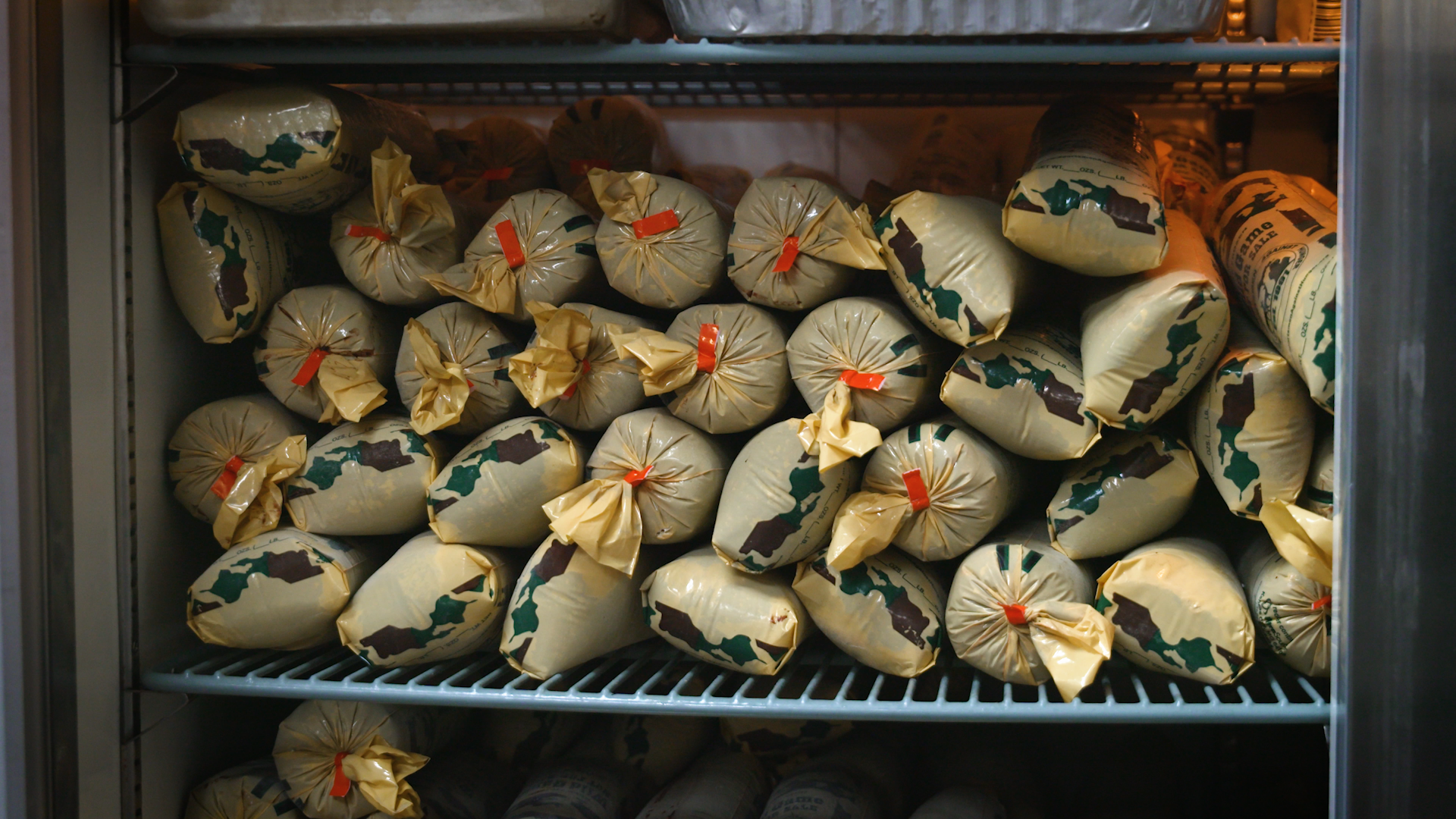
We evaluated how program characteristics (number of participating processors, staffing capacity, and state agency partnerships) related to annual meat donations. The number of meat processors emerged as the strongest predictor of donation size. Each additional processor was associated with a roughly 10% increase in total meat donated. Funding and processor recruitment were the most reported challenges limiting WDP expansion.
Although current contributions are modest, the potential for growth is significant. More than 80% of surveyed programs indicated a need for expansion. Increasing processor capacity, improving infrastructure, and aligning programs with communities in greatest need could amplify impact. Wild meat is nutritional and culturally meaningful, but access, awareness, and education remain uneven. Programs that promote equity and recipient choice could improve both reach and program effectiveness.
Ultimately, WDPs offer more than protein. They provide a model of cultural altruism and contribute to the United Nations Sustainable Development Goals by identifying practical strategies to increase access to nutritious food while supporting ecological sustainability. By investing in and scaling these programs, we can support biodiversity, public health, and food equity all at once.
 Relational Thinking