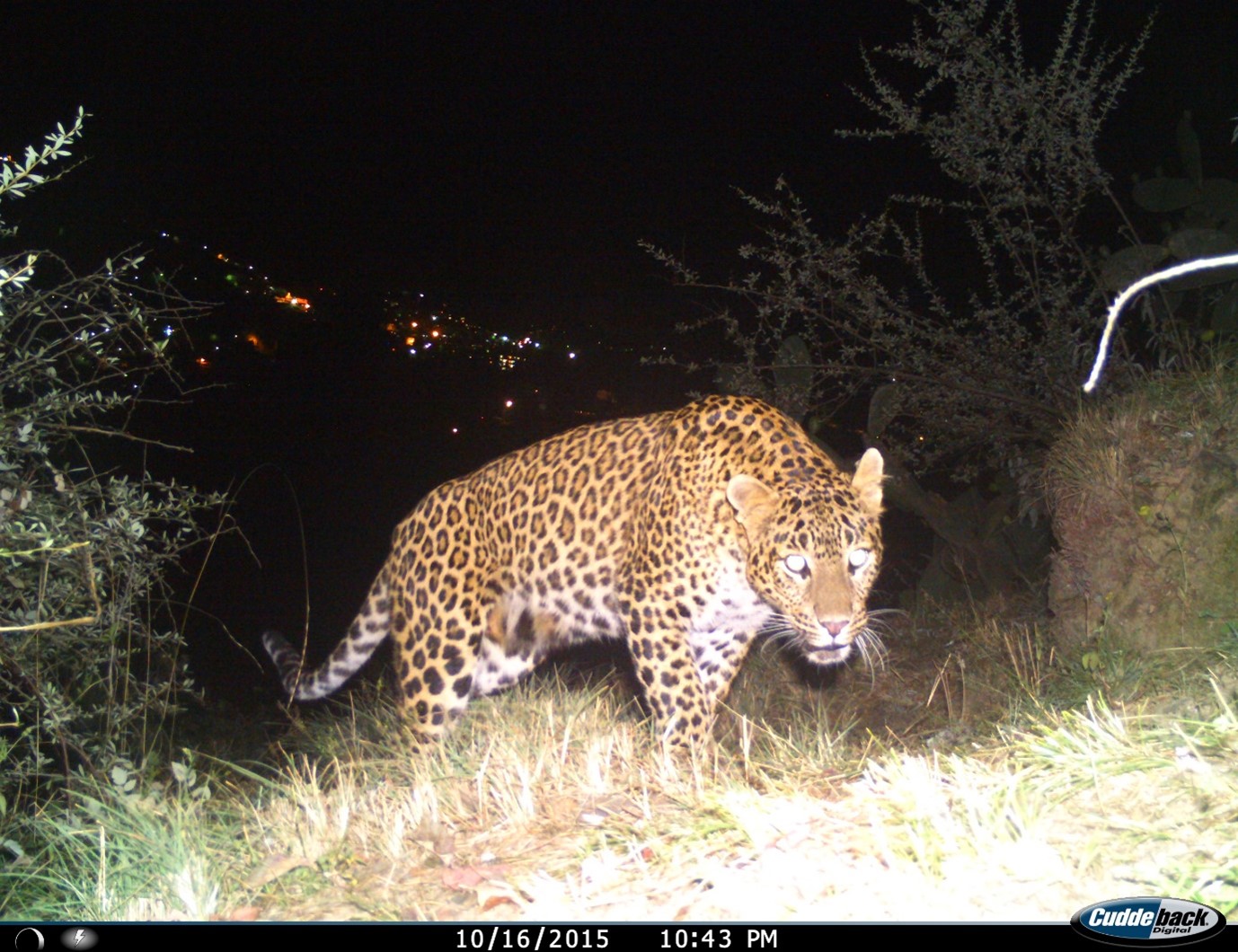
Picture Credit: WCS-India/HPFD
By Shweta Shivakumar, Mireille Gonzalez, Vidya Athreya, and Krithi K. Karanth.
Conflicts between people and carnivores, like leopards, can be difficult to manage because they affect human lives and livelihoods. Understanding how communities view these conflicts—often reflected in their stories and folklore—can help find ways to promote coexistence.
In this study, we examined stories shared by people in Himachal Pradesh, India, about leopard attacks on humans. We analysed 89 stories of leopard attacks using a method called narrative analysis, which looks at how people describe events. We focused on key elements of each story, such as who was telling it, the people and animals involved, the location, the conflict itself, and how it was resolved. Our findings suggest that attitudes toward leopards in Himachal Pradesh have changed over time. In the past, people tolerated leopards living near them. However, in recent years, the relationship has shifted. Frequent encounters have led to strong reactions, causing harm to both humans and leopards. If this trend continues, it could escalate into deep-rooted conflicts based on identity and opposition.
The potential for entrenched identity-based conflict highlights the urgent need for action to prevent further deterioration of human-wildlife relations in Himachal Pradesh. To address this issue, we suggest interventions such as awareness campaigns based on research, the development of protective tools, and other strategies tailored to the local context. Additionally, we highlight the importance of using narrative analysis in human-wildlife conflict studies. This approach allows the voices of affected people—who are often overlooked—to be heard. By understanding their experiences and concerns, authorities can better respond to safety issues and support strategies that help people and leopards coexist more peacefully.
 Relational Thinking