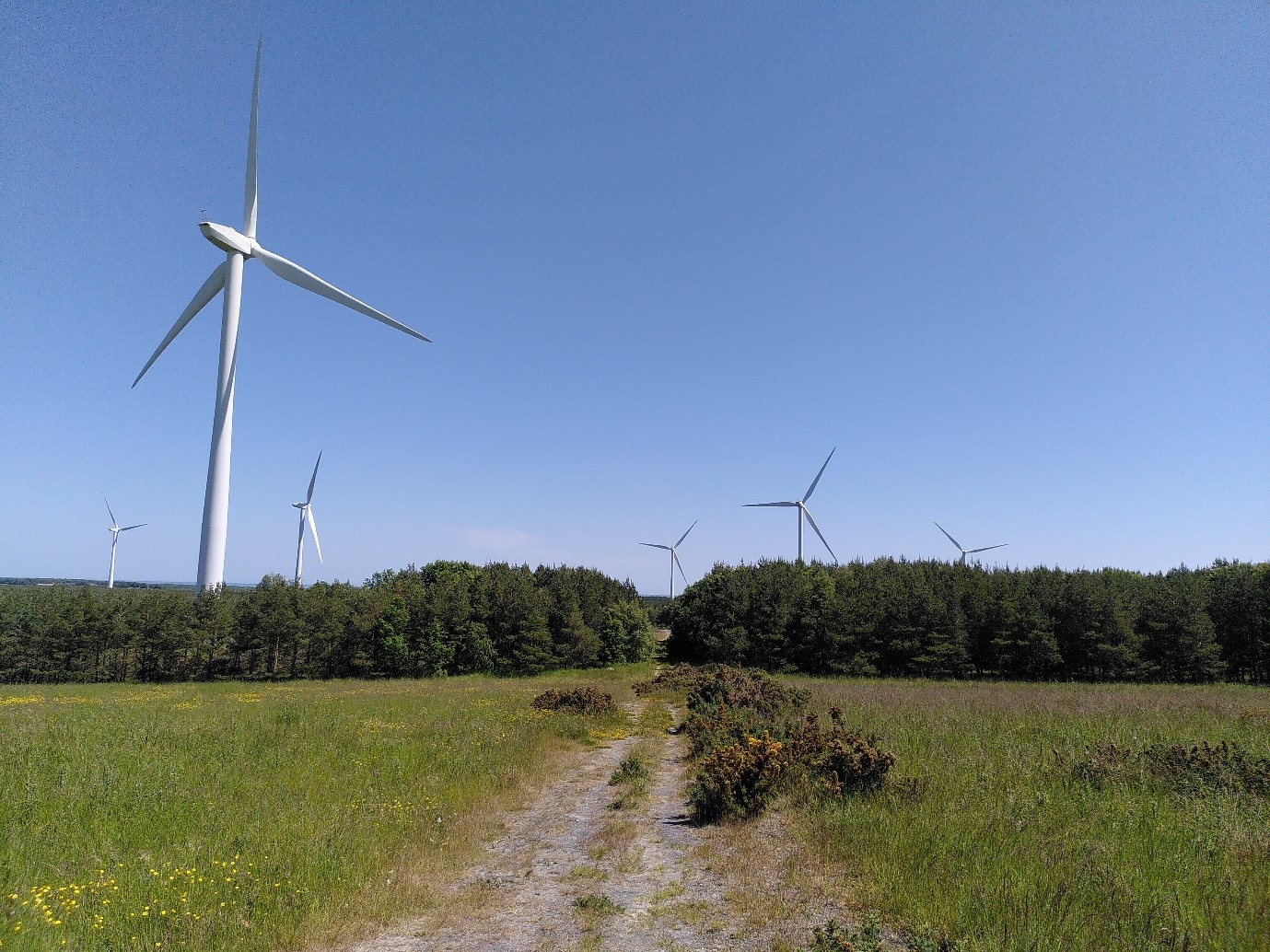
Image credit: Emma Cary.
By Emma Cary, Karen Jones, Virginia Thomas, Signe Brieghel, Ana Payo Payo, and Flurina Wartmann.
Conservation focuses on protecting nature, animals, plants, and ecosystems. But to do this well, we also need to think about people. A fair and just approach that includes people means making sure that conservation helps both nature and communities, rather than harming or excluding people. However, we still don’t fully understand how to make fair decisions in conservation.
One way to improve conservation is by using social science. Social science is the study of how people think, live, and interact. Social sciences offer different ways of understanding how conservation decisions affect people and communities and can help ensure conservation decisions are just and fair.
This paper looks at a type of conservation called rewilding, which is becoming popular around the world. Rewilding means bringing back nature by restoring ecosystems or reintroducing animals. To understand rewilding better, we ask five key questions: why, what, who, when, and how. These questions help us understand the cultural, social, and economic aspects of rewilding, which are often overlooked in both research and practice.
We examine five well-known rewilding projects: Yellowstone National Park (USA), Oostvaardersplassen (Netherlands), Knepp Wildland (UK), Alladale Wilderness Reserve (Scotland), and Carpathia (Romania). We studied each project from a different social science perspective – history, anthropology, political science, human geography, and sociology. This helps us see how rewilding changes not just nature, but also people’s lives.
We use these social science perspectives to look at the hidden reasons behind rewilding projects. While they are often justified as restoring nature, we show that other motivations—such as personal values and beliefs—also influence decisions. Understanding these hidden motivations can help us make better choices.
Finally, we argue that conservation should include multiple viewpoints to be truly effective and fair. When conservationists work together with different experts and local communities, who have a wide range of understandings to offer beyond just scientific knowledge, they can protect the natural environment in a way that also respects people’s rights and needs.
 Relational Thinking