By Nazifa Rafa, Aiora Zabala, and Lindsay P. Galway.
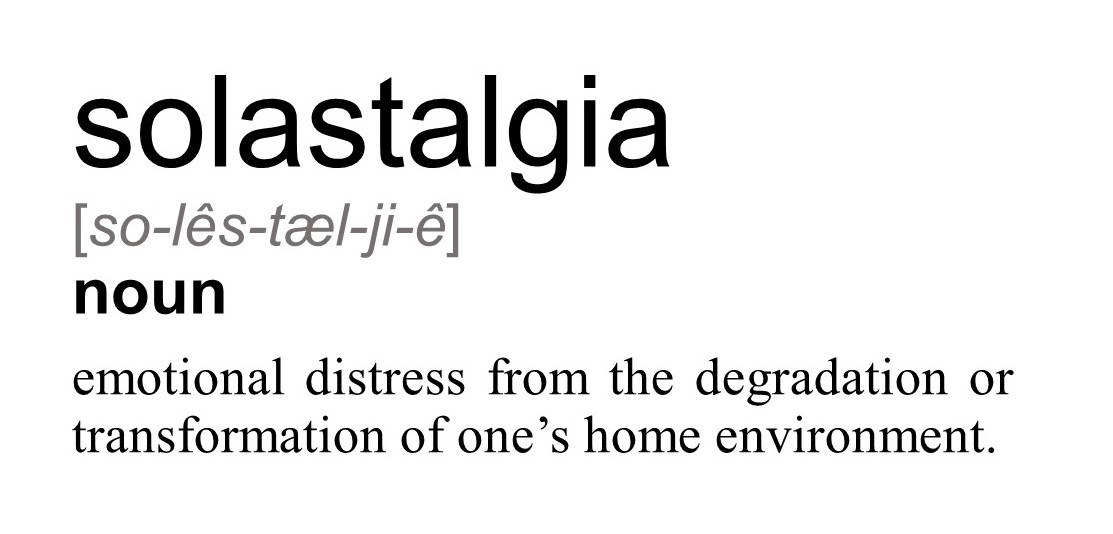
As our world changes due to climate shifts, urban expansion, and industrial activities, people often feel deep emotional distress about the transformation of places they call home. This distress is known as solastalgia—a feeling of sadness, anxiety, or loss when familiar environments are degraded or destroyed. Unlike homesickness, where one misses a place after leaving, people experience solastalgia when the environment changes around them.
In our study, we reviewed 41 research papers from the past two decades to understand how researchers study solastalgia, which communities are affected by solastalgia the most, and what people can do to address it. We found that scientists most frequently study rural and coastal areas, and disruptions from climate change, mining, deforestation, and urbanization most affect these environments. People living in these regions, particularly women, ethnic minorities, and those with lower incomes, are more vulnerable to solastalgia.
Researchers have employed a range of instruments to measure solastalgia, with a growing emphasis on its mental health and collective well-being implications. Communities respond in different ways—some try to restore their environment, others migrate, and many engage in community-building activities to cope with their changing surroundings.
To address solastalgia, policymakers should include it in mental health programs, climate adaptation strategies, and environmental assessments. Recognizing the emotional toll of environmental change can help communities develop resilience and find solutions that protect both people and places.
 Relational Thinking