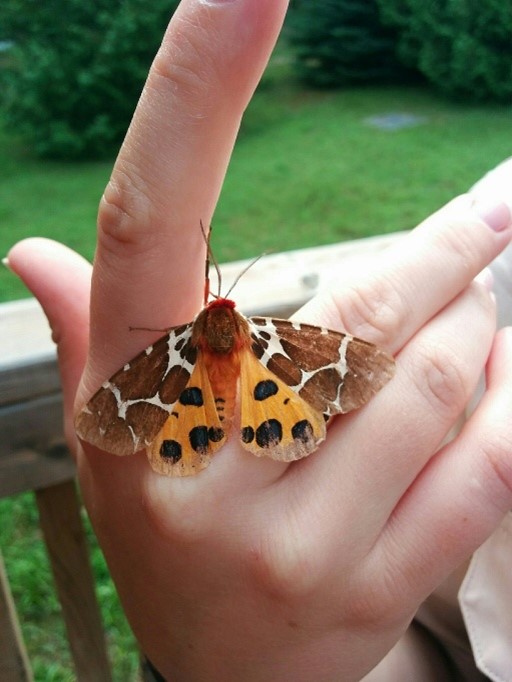
Image credit: Brittany, https://www.inaturalist.org/observations/15131007, licenced under https://creativecommons.org/publicdomain/zero/1.0/.
By Hilke Hollens-Kuhr, Sascha Buchholz and Nadja Pernat.
Each year, in Germany and other countries, organizations name species of animals and plants ’nature of the year’. The goal of this designation is to raise awareness not only about the species themselves but about their habitats and conservation needs. However, it is unclear whether this recognition effectively increases public interest or engagement.
Using data from citizen science platforms like iNaturalist and Observation.org, along with tools like Google Trends, we analyzed how this ’nature of the year’ recognition influenced public awareness for 31 nominated species from 2018 to 2021. Our findings show that only 17 of these species experienced noticeable increases in online search activity or citizen science observations. The effects varied by category: insects, butterflies, and amphibians/reptiles saw more citizen science activity, while birds, trees, and flowers were searched more frequently online. The varying results highlight that not all nominations successfully boost public interest. Factors like how well-known or “charismatic” a species is, the (financial) resources available for promotion, and public interest in different types of organisms all play a role.
To make the ’nature of the year’ campaign more effective, coordinated efforts—such as announcing all winners on the same day and creating shared promotional materials like videos and posters—could help draw more attention to lesser-known species. Future research could also explore how large conservation campaigns influence public behaviour, using tools from a field called conservation culturomics.
 Relational Thinking