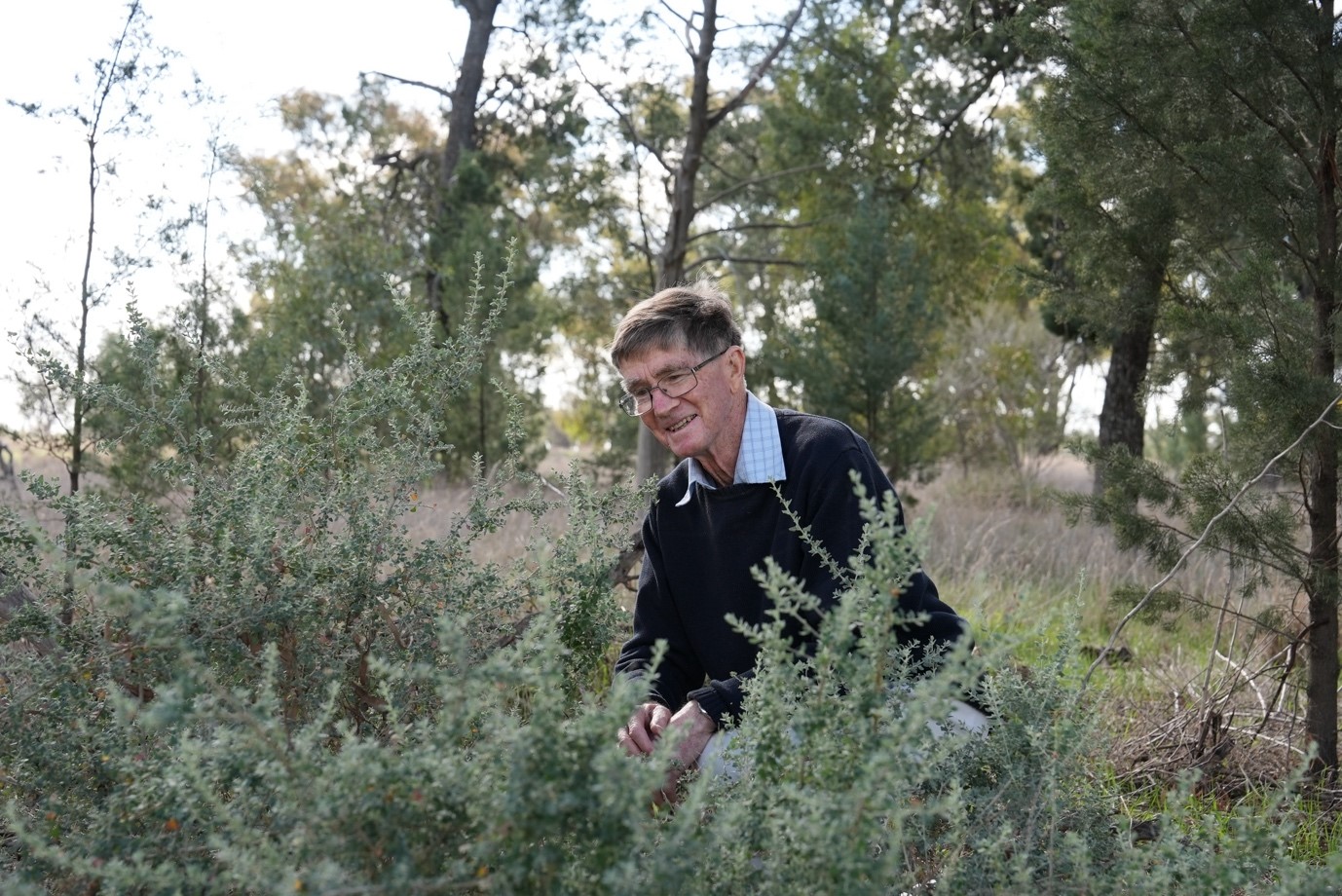
Credit: Vince Bucello/NSW Biodiversity Conservation Trust
By Carla L. Archibald,Kelly Fielding, Sarah Bekessy, Shirali Davé, Daniel Lunney, Scott Benitez Hetherington, James Brazill-Boast, and Jonathan R. Rhodes.
One-way that landholders can contribute to biodiversity conservation is by participating in private land conservation agreements, such as conservation covenants. These agreements are similar to protected areas, but they protect biodiversity on private land while the landholder still manages their property. Using a social survey in New South Wales, Australia, we looked at how landholders who adopt these agreements differ from those who do not, particularly in terms of their requirements to also support their livelihoods. Landholders with more time and space for nature on their properties were more likely to engage in conservation covenants. As more landholders join conservation covenant programs, it is important to ensure that these programs not only help protect biodiversity but also support the livelihoods of landholders. By aligning conservation efforts with the needs of landholders, we can create more sustainable landscapes and improve long-term success in biodiversity conservation. Our findings provide guidance for other initiatives aiming to align conservation goals with landholders’ livelihoods to increase benefits for both biodiversity and people.

Credit: Vince Bucello/NSW Biodiversity Conservation Trust
 Relational Thinking