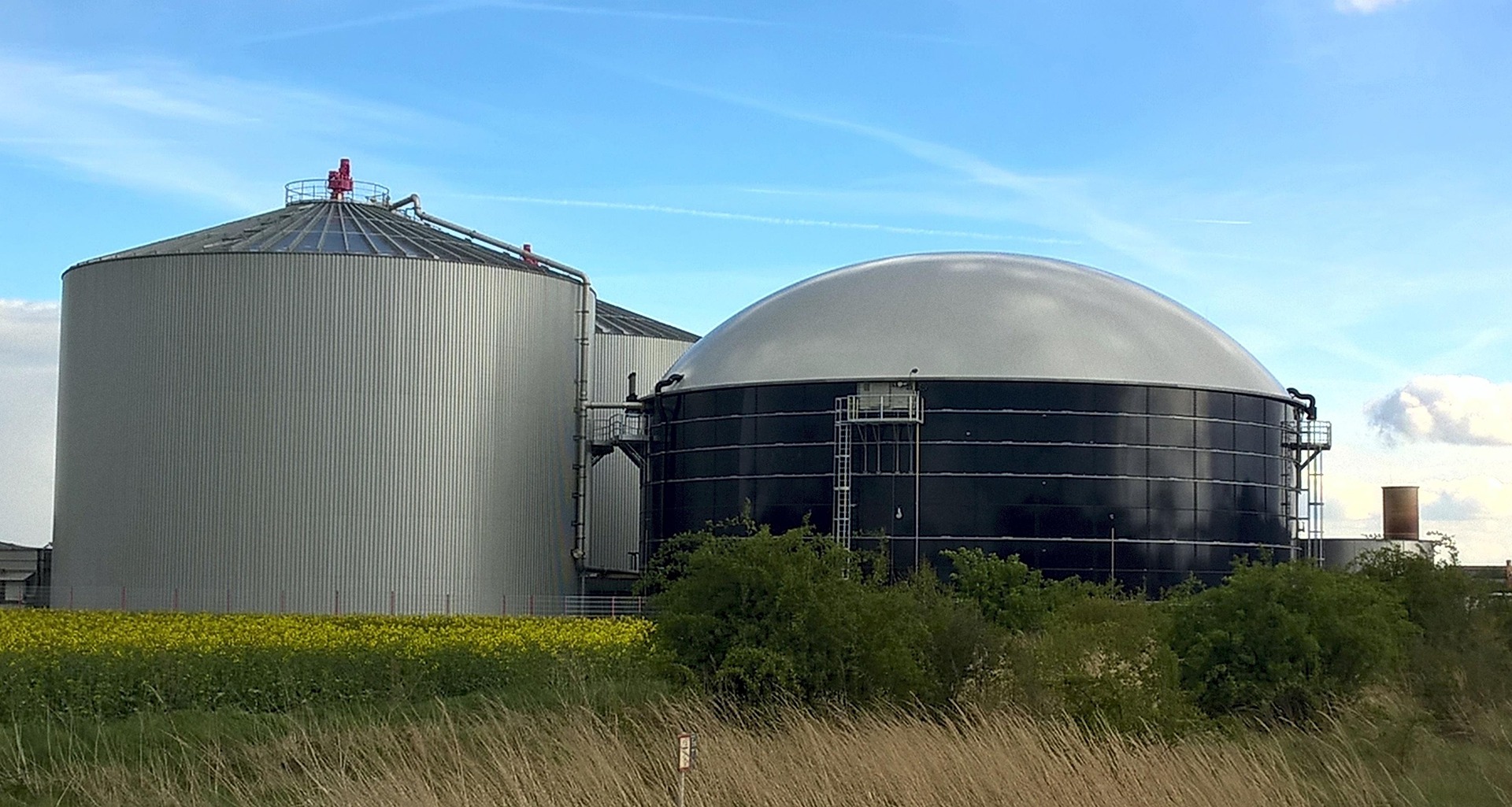
Photographer credit: Stock photo, royalty-free image from pixabay
By Meike Fienitz.
When different groups want to use the same land in different ways, conflicts arise. In the scientific literature, these conflicts are called land use conflicts. For example, renewable energy facilities, mining, industrial sights but also conservation areas are often contested. In this study, I explored why disagreements over land use sometimes escalate, meaning that the involved groups fight each other instead of addressing the problem, and what can be done to avoid this. My goal was especially to understand how escalation begins: how the balance tips from collaboration to escalation in situations of disagreement.
To understand this better, I looked closely at a real case in Brandenburg, Germany, where people disagreed about the expansion of a biogas plant. I analyzed documents and conducted in-depth interviews with everyone involved. Through this, I identified a chain of five mechanisms that eventually triggered the escalation of the conflict. In the early stages of the conflict, the groups did not communicate. This lack of communication led to misunderstandings and caused central people to feel that compromise was not possible. As a result, they felt that trying to compromise was a waste of time. Additionally, some people had better options than collaborating, because they were able to start a lawsuit, and this was very likely to achieve their goals.
These findings highlight how important it is to open lines of communication early. When people talk and understand each other from the beginning, the mechanism chain that triggers escalation can be interrupted. This approach also depends on making collaboration seem more worthwhile than escalation, something that has not been widely studied before. For policymakers, planners, and people who are involved in land use conflicts this research suggests that encouraging early dialog and making collaboration more attractive can help stop conflicts from escalating.
 Relational Thinking