In celebration of the shortlisted papers for the Rachel Carson Prize 2024 for Early Career Researchers, we’re delighted to introduce you to some of our shortlisted individuals and papers.
Aurelio Padovezi
Read Aurelio’s shortlisted paper: ‘Native seed collector networks in Brazil: Sowing social innovations for transformative change‘.
About the paper:
What is your shortlisted paper about, and what are you seeking to answer with your research?
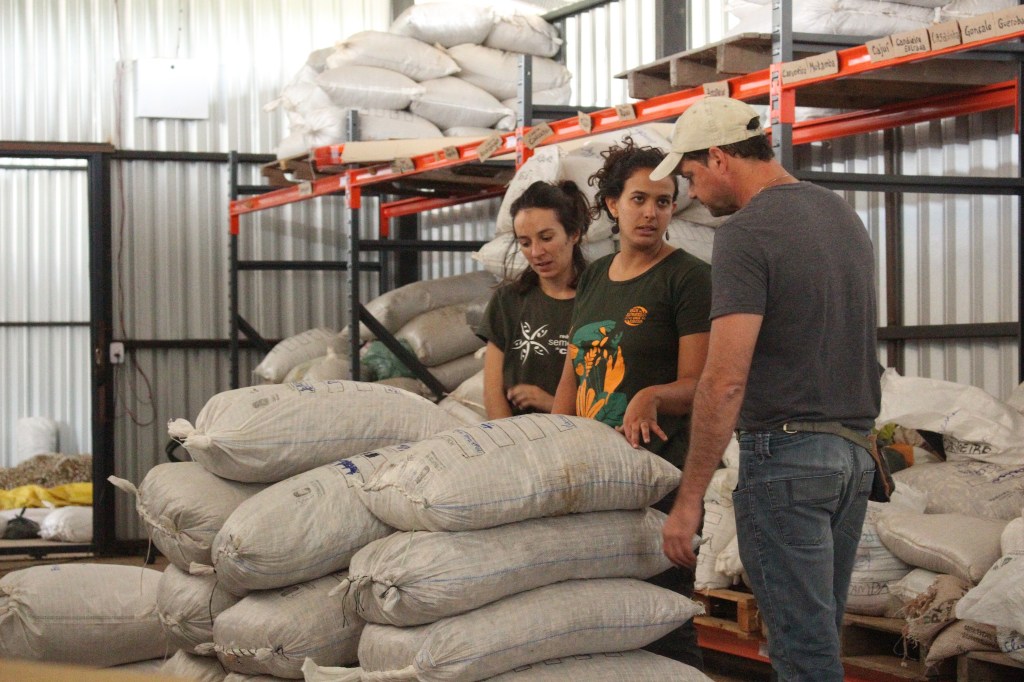
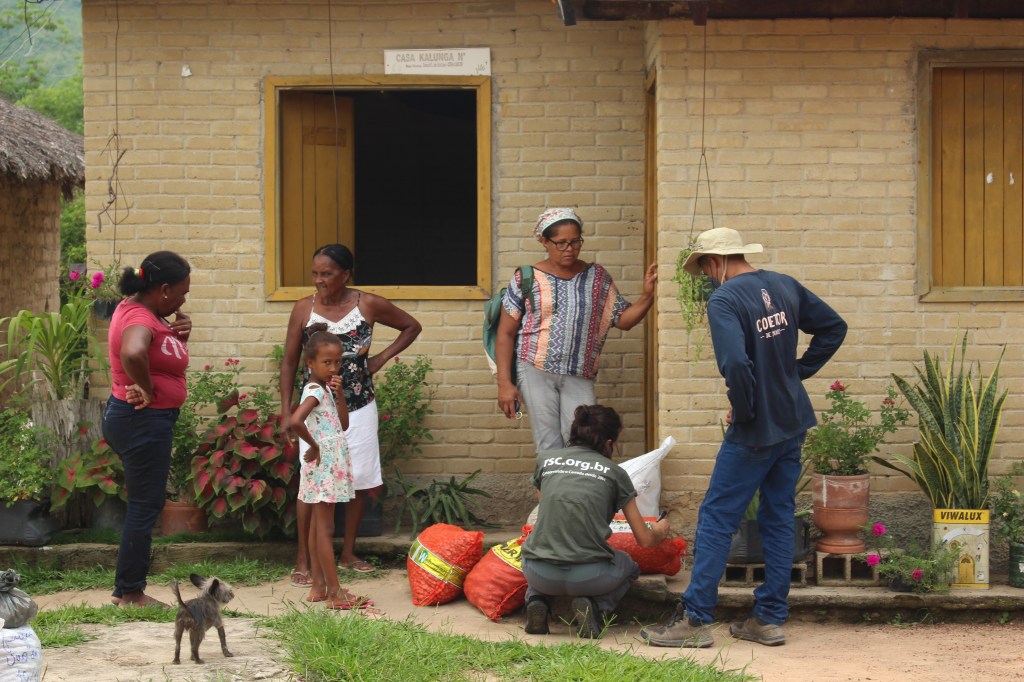
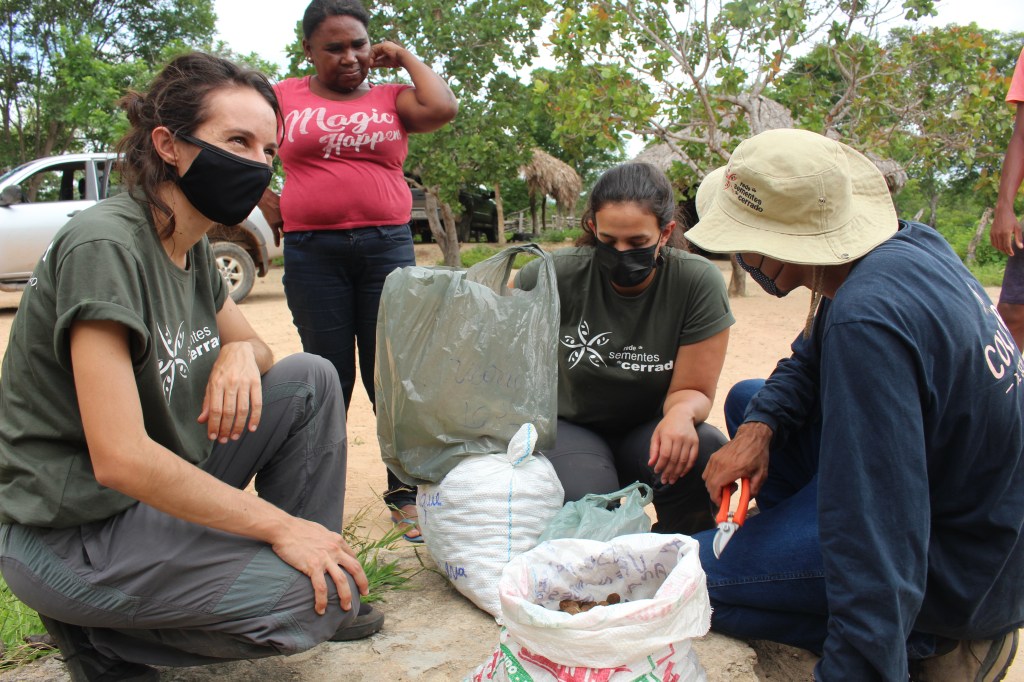
Our study investigates the role of social innovation in Native Seed Collector Networks (NSCNs) in Brazil as a catalyst for transformative change. We examined nine NSCNs using Social Network Analysis to evaluate their structure and impact. These networks not only cultivate native seeds for ecological restoration but also enhance the empowerment of local communities, especially women and traditional groups. By promoting agency, scaling up innovations, and shaping policies, NSCNs generate social and economic opportunities while contributing to ecosystem restoration. We aimed to understand how these networks facilitate change by bringing marginalised communities into the efforts of forest and landscape restoration efforts.
Were you surprised by anything when working on it? Did you have any challenges to overcome?
Working on this paper was both enlightening and challenging. One of the biggest surprises was realising that social innovation isn’t just happening in forest and landscape restoration—it’s actually a driving force for social change. While this connection was present in our data and interview transcripts, it wasn’t fully articulated in the first version of the paper.
A turning point came when one of the People and Nature reviewers suggest us to bring transformative change to the theoretical framework, prompting a deeper discussion on the relationship between the seed networks and social innovations. This suggestion led us to rework the entire paper structure, refining our argument and reinforcing it with a more robust conceptual foundation. Through this process, we could more clearly demonstrate that native seed collector networks in Brazil are not just ecological actors but also catalysts for social and economic transformation.
A major challenge that followed was capturing the complexity of these networks and measuring their impact. Conducting Social Network Analysis (SNA) required integrating multiple data sources to ensure our findings reflected the lived realities of collectors, communities, and institutions. At the same time, we had to balance scientific rigour with the voices of local actors. We wanted to highlight the human stories behind the numbers, which meant carefully weaving together quantitative and qualitative methods to present the nuances involved in these transformative networks.
What is the next step in this field going to be?
The next step after our paper is to reinforce the enabling conditions for socially innovative forest and landscape restoration (SI-FLR), ensuring their scalability and long-term sustainability as self-sustaining and inclusive restoration models. Based on our findings, three critical areas need further exploration:
Institutionalizing Support – While SI-FLR, like the seed networks assessed, has demonstrated significant ecological and social value, it remains vulnerable to shifting funding landscapes and policy changes. Future research should explore how policies, market incentives, and governance structures can ensure long-term stability for seed collectors while safeguarding their autonomy.
Expanding Social Innovation in Restoration—Our study revealed how Native Seeds Collectors Networks (NSCNs) are incubators for social innovation, empowering local communities and building more resilient landscapes. The next step is to document and scale successful social innovation models, share best practices across regions and integrate them into broader restoration initiatives.
Strengthening Connections Between Climate Finance and Local Networks – Bridging large-scale funding mechanisms with locally-led restoration efforts is essential. Future research should explore whether and how innovative financing models—such as results-based payments or blended finance—can secure consistent investment in social-ecological innovations while ensuring that benefits remain within local communities.
What are the broader impacts or implications of your research?
Our research highlights how social innovation within Native Seed Collectors Networks (NSCNs) can drive ecological restoration and social transformation, offering key insights for policy and practice.
From a policy perspective, the findings reinforce the need for enabling governance structures that support community-led restoration. NSCNs thrive when policies recognise and invest in their role, ensuring fair access to funding, land, and market opportunities. This is particularly relevant for climate finance mechanisms, which must bridge the gap between large-scale funding institutions and community-led, high-impact initiatives.
In practice, this research highlights that forest and landscape restoration is most effective when it respects diverse values of nature, integrates traditional and academic knowledge, and empowers local agency. Supporting NSCNs goes beyond ecological benefits—it enhances rural livelihoods, strengthens social capital, and fosters more inclusive governance. This underscores the importance of investing in collaborative networks, facilitating knowledge exchange, and creating economic incentives for seed collectors and restoration practitioners.
About the author:
How did you get involved in ecology?
Ecology has been a part of my life since childhood, deeply rooted in the experiences I shared with my father. He had a profound connection with nature, and on his days off, we would always venture into the forest, uncovering its hidden wonders. These outings were more than just walks—they were lessons in storytelling, discovery, and belonging.
Through his words and experiences, my father wove together the threads of our ancestry with the rhythms of the forest. He often spoke of his own childhood, blending personal memories with ecological knowledge, turning every moment into an opportunity to learn, connect, and appreciate the natural world.
My interest in the social side of environmental issues came from a different place—the reality of growing up on the outskirts of São Paulo. The daily struggles with transportation, lack of infrastructure, and the stark contrast between our neighbourhood and wealthier areas made me question the roots of such inequality.
Over time, these two influences—my father’s love for nature and my awareness of social disparities—merged, shaping my passion for ecology as a tool for environmental and social transformation.
What is your current position?
After two years as a researcher at the University of Padova, where I deepened my expertise in socio-environmental sciences, I embarked on a new professional challenge this year (2025) as a consultant for E Co. (ecoltdgroup.com). At E Co., I am dedicated to bridging global funding institutions with local collective actions and socio-ecological innovations that can transform landscapes and enhance the quality of life of vulnerable communities. This role allows me to continue fostering social innovation in forest and landscape restoration, driving meaningful and lasting impact.
Have you continued the research your paper is about?
Yes, and not just me—all the authors of this article continue, in various ways, to deepen the understanding and practice of social innovation as a transformative force in landscape and forest restoration. Recently, in collaboration with my colleagues at E Co., we published a white paper exploring how collaborative networks connect climate finance with locally led transformative actions (check it out here). While this publication examines collaborative networks from a different perspective, it is undoubtedly a continuation of the discussions initiated in our manuscript.
What one piece of advice would you give to someone in your field?
If I had to give just one piece of advice, I’d actually give three—because navigating socio-environmental research and transformative change requires a mix of awareness, humbleness, and persistence.
First, recognise the political role of your research. Every study, every dataset, and every conclusion influence decision-making, policies, and power structures. Understanding this allows you to approach your work with greater responsibility and impact.
Second, listen actively. Transdisciplinary research thrives on diverse perspectives. Social and environmental transformations are shaped by competing interests, different levels of knowledge, and varied understandings of problems and solutions. Embracing this complexity requires humbleness, patience, and openness.
Finally, be persistent. Bridging scientific methods with real-world social, economic, and environmental dynamics is an intricate, iterative process—more art than formula. It’s exhausting and full of setbacks, but the ability to synthesise these complexities into rigorous, impactful communication is what drives meaningful change.
Read Aurelio’s shortlisted paper: ‘Native seed collector networks in Brazil: Sowing social innovations for transformative change‘.
 Relational Thinking