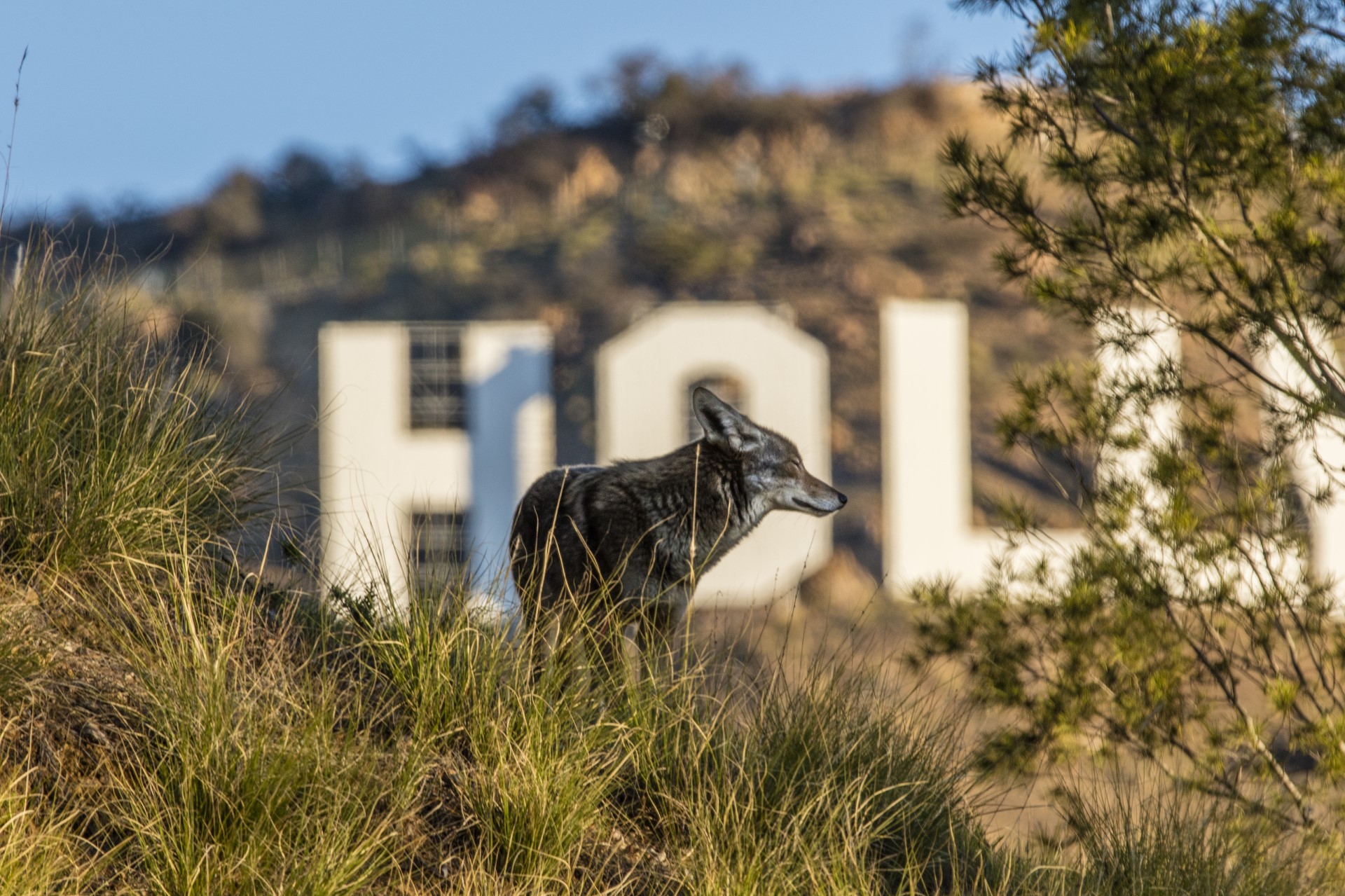
Photo credit: Eric J. Smith
By Alex McInturff, Lara Volski, Megan M. Callahan, Gretchen Sneegas, and David N. Pellow.
People live with wildlife every day in cities around the world. Wildlife affect all aspects of urban people’s lives, in ways that often go unacknowledged. There is a growing understanding that wildlife are important parts of urban ecosystems, but, surprisingly, we know little about the impacts and benefits of wildlife for people in cities. What we do know is that other parts of the urban environment – including air, water, and tree cover – can shape inequities for people. But do wildlife – whether through their presence, management, or interaction with people – play a similarly profound role for people in cities?
To answer this question, we reviewed and synthesized academic literature on urban wildlife, wildlife interactions with people, and environmental justice. By bringing these bodies of literature together, we were able to identify trends, gaps, and research needs about the implications of living with wildlife in cities for environmental justice.
We identified six pathways through which living with wildlife in cities can cause or exacerbate inequity for people in cities. We found that wildlife affect nearly all aspects of life for urban residents, including people’s economic livelihoods, their participation in decision-making, the patterns in which urban space is organized, human health, psychological well-being, and broad discussions about race and power.
A key takeaway of our research is that communities who are already marginalized, vulnerable, and low wealth feel the most significant impacts of wildlife and wildlife management in cities. At the same time, the wealthiest urban residents most often experience the benefits of living with wildlife. As a result, in many cities, wildlife management serves to intensify existing injustices.
We stress that wildlife are not inherently “good” or “bad.” Rather, by better understanding the pathways between urban wildlife and injustice, we can help draw a road map for wildlife management that is more just for both people and wildlife.
 Relational Thinking