Ennia Bosshard, Harrison Carter, Lillian Aluso, Reuben Chumba, Christopher N. Kaiser-Bunbury, Chris J. Kettle, and Ana Nuno.
Read the full article here.

Finding ways to protect nature, combat climate change, and produce enough food is one of the biggest challenges we face today. Integrating shrubs and trees on farms (known as agroforestry) can offer a promising solution. It can help store carbon, improve soil health, and boost food and income security.
In Sub-Saharan Africa, where most food is produced on small farms, many countries are promoting agroforestry to address climate change and protect biodiversity. Farmers play a crucial role in this effort as guardians of the land and trees, making it important to understand their decision-making regarding tree planting.
To maximise the benefits of agroforestry for both people and nature, planting a variety of species is essential. Diverse shrubs and trees can enhance biodiversity and make ecosystems more resilient, but species diversity is often overlooked in agroforestry programs.
In this study, we explored what shapes farmers’ intentions to increase tree and shrub diversity on their farms. We interviewed 620 smallholder farmers in the Kakamega forest landscape in Western Kenya. We found that farmers had overall positive perceptions toward diversifying trees. Their decisions were influenced by a variety of factors, indicating a complex decision-making process. Key drivers of farmers’ intentions to diversify were past experiences, the influence of other farmers, the perceived ability to grow different tree species, and attitudes toward the outcomes of diversification. We also identified several barriers: farmers were worried about attracting harmful wildlife, harming the soil, managing small farms, lacking time and knowledge, and following local beliefs about trees.
Additionally, we found that certain farmers were more likely to increase the tree and shrub diversity on their farms, especially if they had higher education (such as a university degree or a diploma), were heads of their households, had higher income, or relied fully on farming for their livelihoods.
Our study highlights the complexity of farmers’ decision-making process to increase tree diversity. To support agroforestry practices that promote food security, biodiversity conservation, and climate change mitigation, it is crucial to address the barriers and enablers that influence farmers’ ability to grow a wider variety of trees and shrubs.

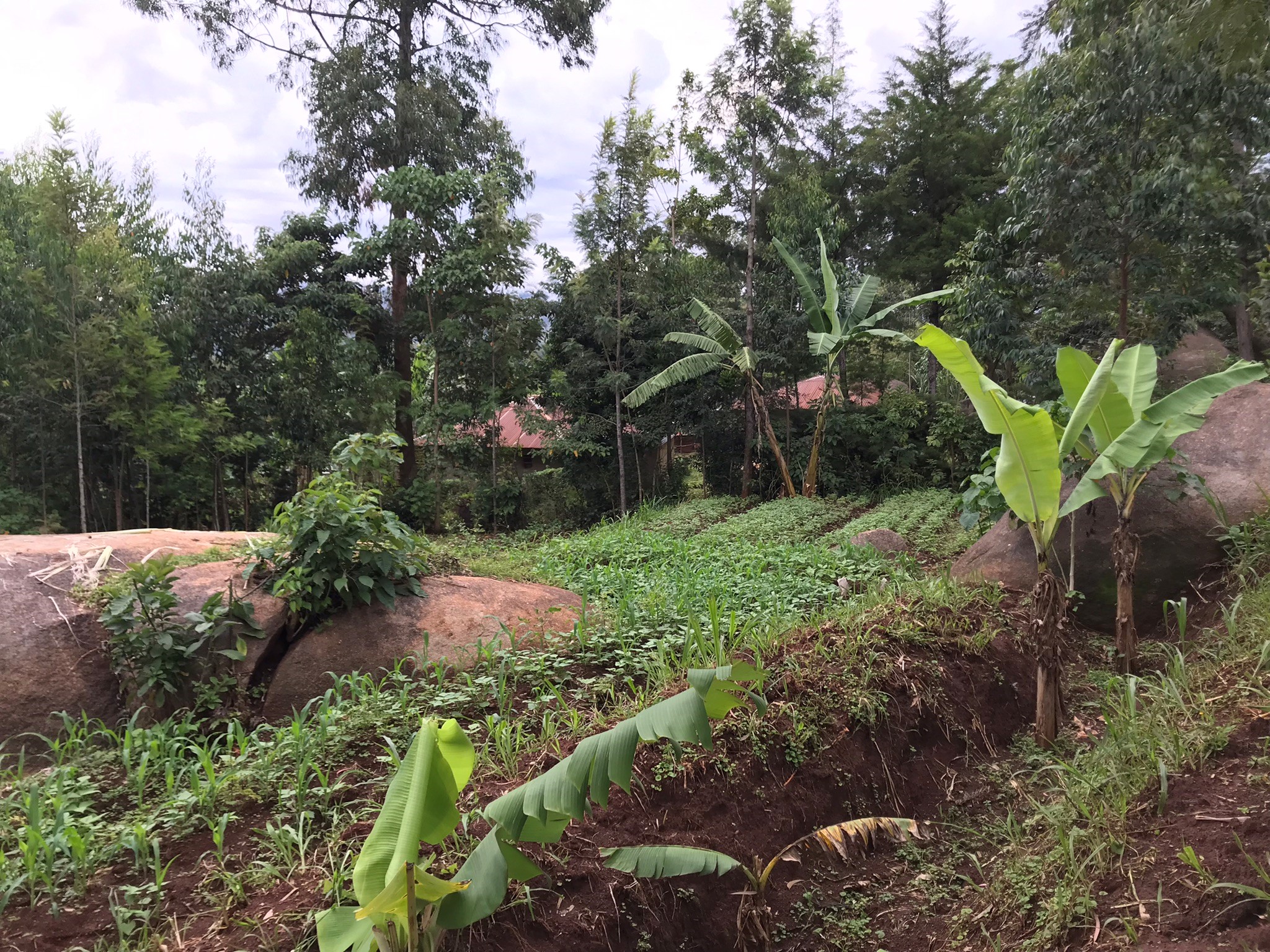
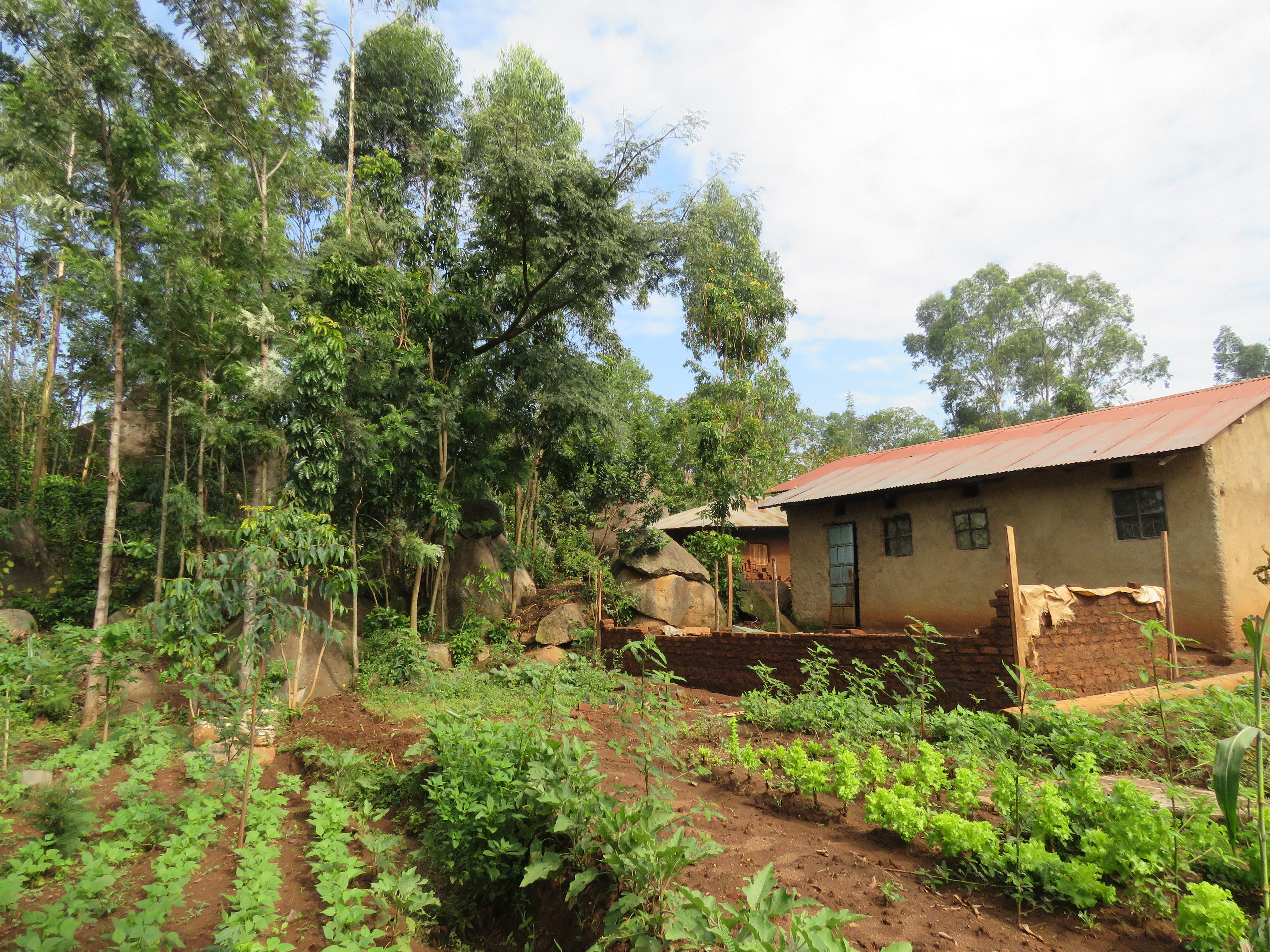
Smallholder farmers in Vihiga, Kenya. (Photos: Ennia Bosshard)
 Relational Thinking