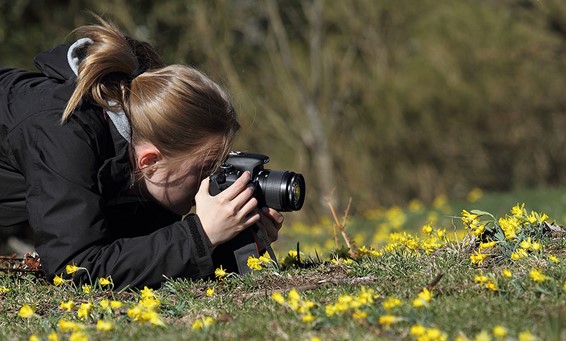
By Héctor Ruíz-Villar, Ana Morales González, and Jon Morant.
The use of imagery to illustrate global biodiversity patterns and the conservation challenges they face has become increasingly important in the past decade. Most urban citizens engage with nature indirectly through various media, including wildlife photography, videography, online and print articles, and video games. This content often takes the form of wildlife documentaries, photographic exhibitions, contests, and social media. In particular, wildlife photography plays important roles in informing and changing public perception about certain species, and has been successfully used as a conservation tool in the past through the encouragement of support for conservation efforts by highlighting critical issues affecting species and habitats. However, biases in the representation of ecosystems and species can lead to misconceptions about their actual conservation status, and although this has been evaluated for other visual media types, it has yet not been evaluated for wildlife photography.
In this study, we assessed for biases in spatial and temporal distributions, and in taxonomic group and conservation status, as well as in selection criteria in wildlife photography by using data on 1333 pictures published between 2010-2023 in the Wildlife Photographer of the Year, one of the most popular and prestigious wildlife photography contests worldwide with over 50,000 entries in its 2024 edition.
The representation of biomes mostly coincides with biome coverage across the planet, although most forests (Temperate, Mediterranean, and tropical) were overrepresented in relation to their global presence. Mammals (particularly large carnivores) and birds were overrepresented in photos, while plants and insects were underrepresented, although pictures of the latter became more awarded over time. Jury-selected photos showed greater biodiversity than those chosen by the public. We also found that pictures representing animals from the Antarctica and terrestrial species showing bright and flashy colours are more likely to win the contest.
Our work highlighted that wildlife photography is becoming more representative of the real world, but there are still biases in the types of the featured animals, habitats, and ecosystems. This can create a misleading view of which species and environments need the most conservation efforts. Highlighting species that aren’t as popular could boost conservation for those lesser-known groups. To help with this, we recommend that wildlife photo contests include information about a species’ conservation status and scientific name in picture captions to increase public awareness about the conservation problems that species face as well as the causes of global biodiversity loss.
 Relational Thinking