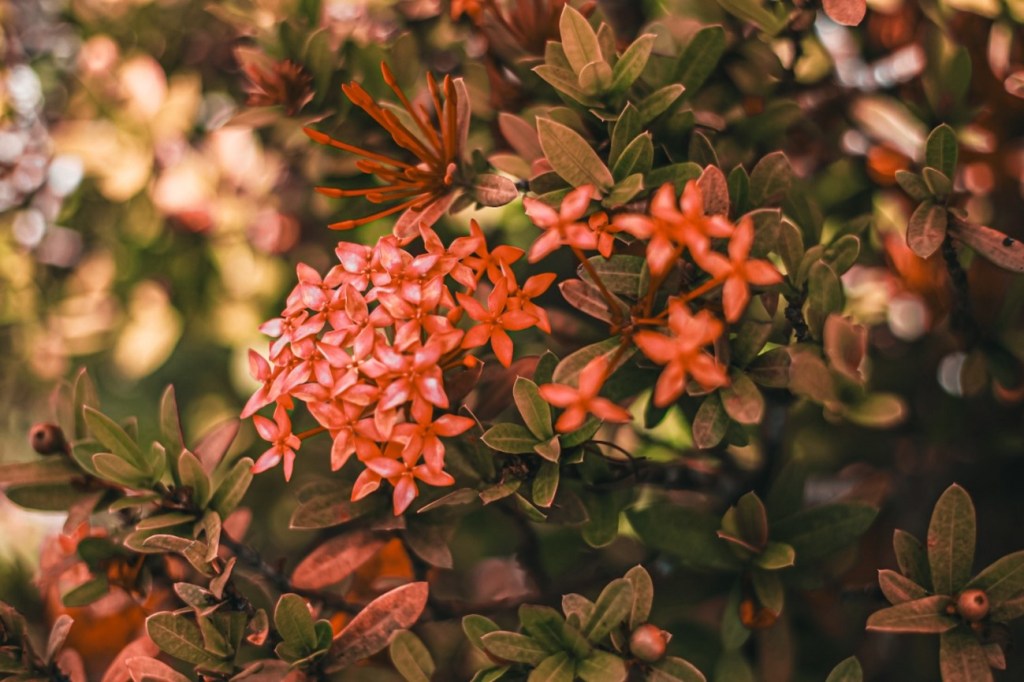
Photographer: Carlos Henrique Leal Rodrigues
By Claudio Rosa, Talisson Chaves, Silvia Collado, Lincoln Larson, KangJae Lee, and Christiana Profice.
We reviewed dozens of studies and found that horticultural interventions such as taking care of plants, planting, and gardening can improve depressive symptoms in healthy and depressed adults. This can happen in several ways. People may get involved in gardening to maintain their good health and avoid symptoms associated with depression. When symptoms are already present, practitioners (e.g., occupational therapists) may prescribe plant-related activities to help their clients recover from depression, or depressed people may choose to initiate these activities on their own. No study included in our literature review reported any adverse event occurring during plant-related activities (e.g., getting a cut with gardening tools), so, it is likely safe for most people. These findings are in line with a solid body of evidence showing the health benefits of nature-based activities.
The next step is to understand what specific kind of plant-related activities work, and for whom. We identified two studies providing tentative evidence on this end. One study suggested that less depressed people will benefit more from engagement in plant-related activities than more depressed ones. The other study found health benefits were similar for interventions with the same number of sessions but provided at different frequencies (i.e., once a week versus twice a week). Future research could address these issues by exploring the effects of plant-based health interventions using randomized controlled trials.
 Relational Thinking