By Mario Gaspar, Pelayo Acevedo, Eneko Arrondo, Ignacio García-Martínez, Juan Herrero, Roberto Pascual-Rico, José A. Sánchez-Zapata, and José D. Anadón.
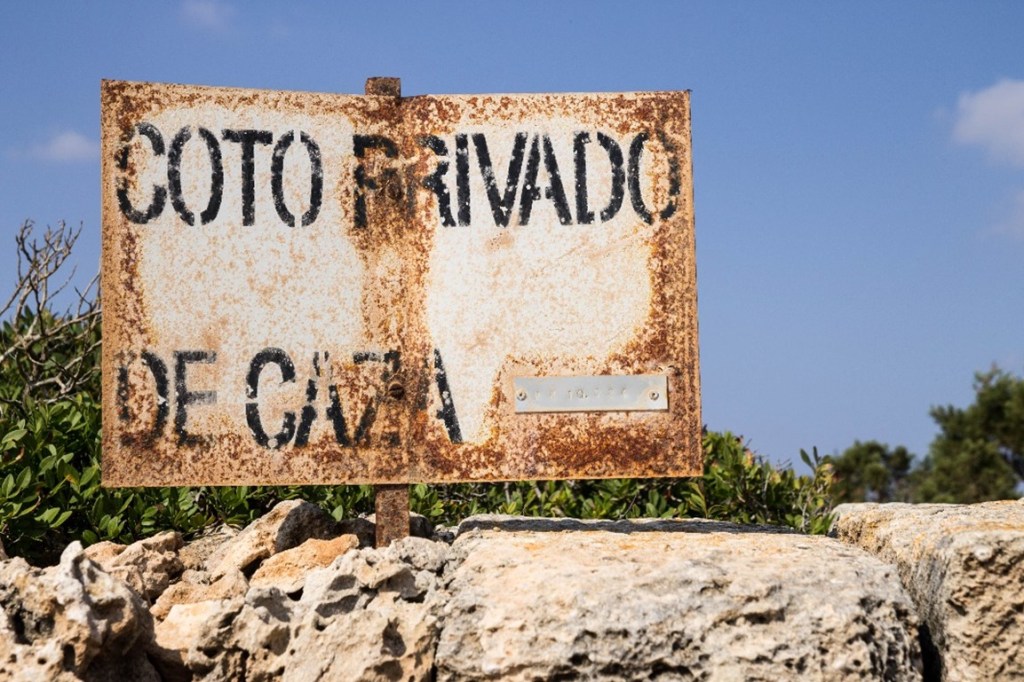
Hunting is a longstanding human activity that has impacted wildlife populations and ecosystem functioning for millennia. In consequence, address changes in this activity can be crucial to comprehend the response of socio-ecological systems.
In developed economies, hunting has evolved from a subsistence activity to a recreational one. As a result of sociocultural changes associated with rural-to-urban migration, it has been suggested that interest in hunting may be declining, similar to the decline in extensive livestock and agriculture.
Our study analyzes the changes in the abundance and structure of the hunting population in the Iberian Peninsula. We used data on the age and origin of hunters from six Spanish regions and the entire continental Portugal to describe the current situation, infer past trends, and make projections for likely future scenarios regarding the demography of hunters. Currently, the most abundant age group of hunters is that between 61-70 years-old, and hunters are more prevalent in small towns than in large cities. Over the last 50 years, the number of hunters in the studied area has decreased nearly by half due to an estimated 89% decline in recruitment of young hunters. If these trends persist, the population of hunters in the entire study area is expected to be largely depleted and aged by 2050. This sharp decline can be described as a collapse process in demographic terms and should be addressed as another aspect of rural abandonment.
Given the critical role of hunting in shaping wildlife populations dynamics of both game and non-game species, the collapse of hunters in the Iberian Peninsula may have relevant ecological implications that should be addressed under this framework.
 Relational Thinking