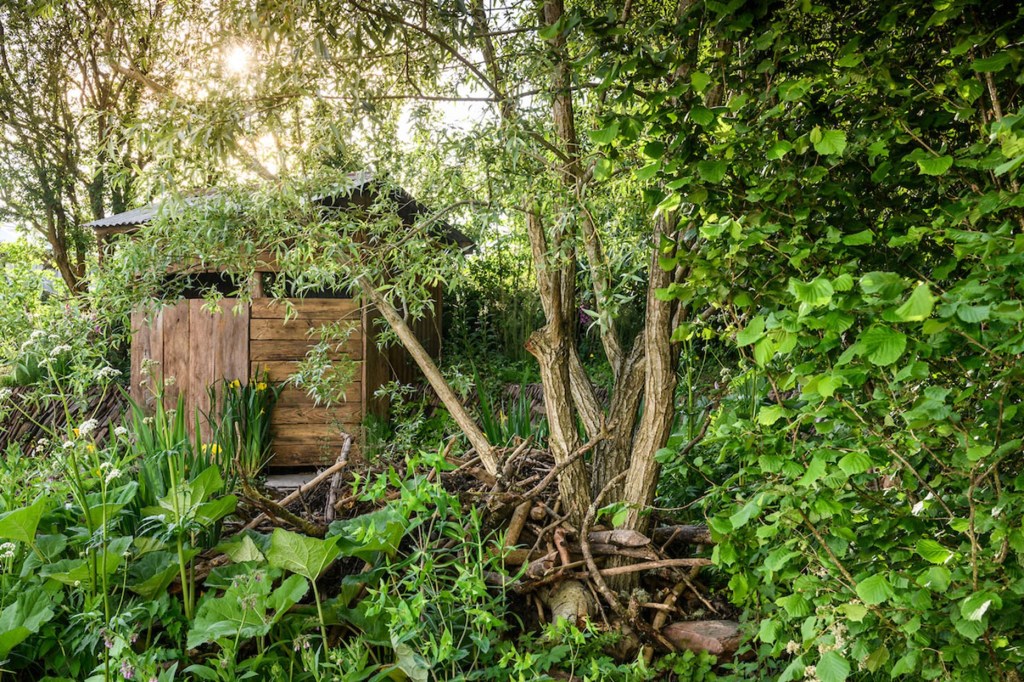
Image credit: Jason Ingram, used with kind permission by Urquhart & Hunt https://urquharthunt.com
By Flurina Wartmann and Jaime Lorimer.
Do you enjoy patches of wildflower meadows teeming with insect life? Or do you prefer tidy lawns? While the answer depends on your taste, in Britain, such questions have recently flared into societal debates about what nature should look like. One such example is the gold medal at the prestigious Chelsea Flower Show. Recently, the show awarded the gold to ‘A Rewilding Britain Landscape’. The designers carefully created the garden to resemble a landscape after the reintroduction of beavers and received both praise and scorn from different publics.
We analysed what people consider beautiful, and therefore good and desirable, and what is ugly and therefore undesirable for nature recovery. As an example, we looked at initiatives such as ‘No Mow May’ that are trying to increase public acceptance of more nature-rich habitats. We found that people posting about #NoMowMay on social media used carefully framed images that highlight mixtures of colourful flowering plants, which also signal the ecological awakening of those who encourage a messier look in their gardens. In contrast, such forms of managing nature are met with resistance, particularly from those on the right-wing of British politics. Various newspaper articles portrayed the vegetation emerging on road verges after councils stopped weeding as something ugly that must be controlled. Therefore, whether you allow messy nature or fight it becomes a political manifestation and makes nature recovery a battleground for wider political and societal debates.
Aesthetic ideals also shape what we consider to be a desirable future. To show what landscapes such as the Scottish Highlands should look like in 50 years, we analysed artwork that environmental advocacy organisations commissioned. While these illustrations are ecologically radical in portraying the return of charismatic fauna and shrubs to barren hillsides, the use of a slightly messier pastoral aesthetic glosses over social inequalities in the form of concentrated land ownership.
Our study suggests that ideas about ‘what nature should look like’ may influence decision-making alongside ecological considerations. We argue that we need to take aesthetics seriously and engage with aesthetic debates about what a more socially and environmentally just future looks like.
 Relational Thinking