Photos: E. J. Gordillo-Chavez
By Elías José Gordillo-Chávez, Claudia Villanueva García, Enrique Guerrero-Melo, Mircea Hidalgo-Mihart, Miguel Lizana, Fernando Rodríguez-López, and Victor Colino-Rabanal.
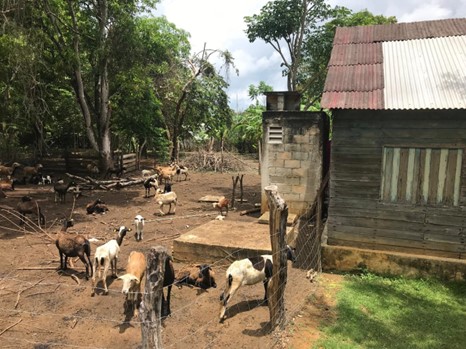
People share their environment with wildlife, particularly people living in rural areas. Sharing the environment can lead to conflicts, especially when livestock is involved. In the Calakmul region of Mexico, jaguars pose challenges for ranchers who depend on their livestock for their livelihood.
Our study aimed to understand the ranchers’ preferences about jaguar conservation. We asked rangers about the percentage of land that should remain as forest, their livestock management practices, the number of jaguars they would like to have in their area, and their willingness to invest in measures that promote coexistence between livestock and jaguars. We found that most ranchers prefer maintaining the current forest cover and adopting semi-extensive livestock management practices. They are generally reluctant to invest in measures to prevent livestock depredation but support stabilizing the jaguar population. Interestingly, there is significant variability in preferences. Some ranchers want no jaguars on their lands, while others are open to sustainable practices like silvopastoral systems, which integrate trees with pasturelands and provide jaguar habitat.
By understanding and respecting the diverse preferences of ranchers, decision-makers can tailor policies that address the community’s concerns while promoting conservation goals. For example, managing coyote predation, a major concern for ranchers, could be used as an incentive to gain support for broader conservation efforts benefiting jaguars and their habitats.
Our study demonstrates the importance of using choice experiments to capture the different preferences within communities. This approach helps create specific incentives and policies that local communities are more likely to accept and support. By considering the needs and preferences of ranchers, we can develop more sustainable and effective conservation strategies that benefit both wildlife and human communities.
 Relational Thinking