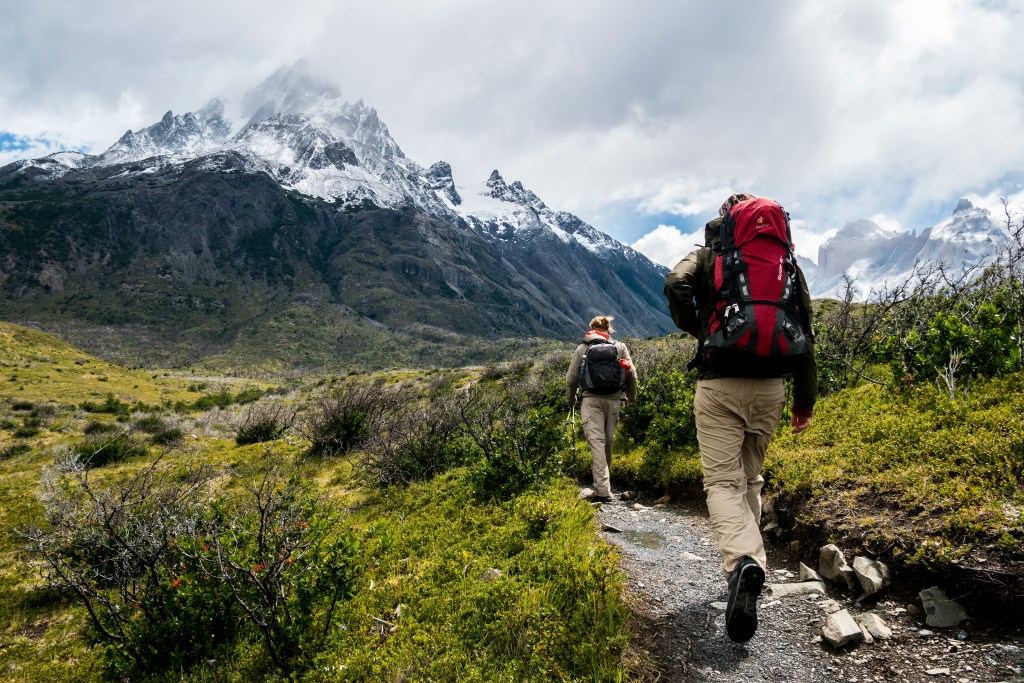
landscapes and nature.
Picture by Toomas Tartes on Unsplash.
By Raphael Seguin, Vincent Delbar, Filipe Batista e Silva, and David Mouillot.
Protected areas (PAs) are one of the most effective tools to stop destruction of Earth’s wildlife. PAs can protect entire ecosystems, threatened species of plants and animals, and natural carbon sinks such as forests. They also support the livelihoods of local communities and contribute to the well-being of our species.
Nature-based tourism is another benefit of PAs. It is a very important industry, generating around USD 600 billion per year. Nature-based tourism has social and environmental benefits: it provides well-being, wealth and helps to raise awareness on biodiversity conservation. However, tourism can also be detrimental to PAs, especially in rich regions such as Europe, where PAs are already under multiple threats and overtourism is widespread.
In this study, we sought to understand if PAs influence where tourists go in rural Europe. We found that only highly PAs, that is, areas where the main purpose is to protect nature and to limit human activities as much as possible, seem to attract tourists in rural Europe. This means that some tourists specifically seek out PAs because they are highly protected and conserve healthy and rich ecosystems.
The fact that only highly PAs attract tourists serves as a strong incentive to better manage existing PAs, to invest more money in biodiversity conservation and to extend the network of PAs across Europe. It also serves as a strong argument for the urgent need to keep ecosystems healthy, protect biodiversity and limit the rampant and widespread degradation of natural ecosystems in Europe.
Our finding also highlights a paradox: strict protection of areas leads to intact nature, which encourages tourism, which in turn can counteract the benefits of protection. These impacts range from overcrowding, noise pollution or littering to social and cultural disruption in certain areas, for example when it leads to the abandonment of traditional practices. As such, our study also highlights the urgent need to regulate the number of tourists in PAs to avoid these adverse impacts.
 Relational Thinking