By Marion Mehring, Anna S. Brietzke, Janina Kleemann, Stefan Knauß, Christian Poßer, Vera Schreiner, Heidi Wittmer, Christian Albert, Christine Fürst, Karsten Grunewald, Michael Kolkmann, Ludwig Lettenmaier, Tanja G. M. Sanders, Christian Schleyer, Josef Settele, Tanja M. Straka, and Jennifer Hauck.
Global biodiversity loss continues relentlessly. Solutions for conserving and restoring biodiversity demand a deeper understanding of the causes for biodiversity decline. This includes societal developments, such as demographic change or the change in values and norms, as these factors affect the utilization of biodiversity. In order to counteract these causes of biodiversity loss, a transformative change that encompasses all aspects of society is obviously required. However, the demand remains abstract. It is not yet understood how exactly this transformative change can be achieved.
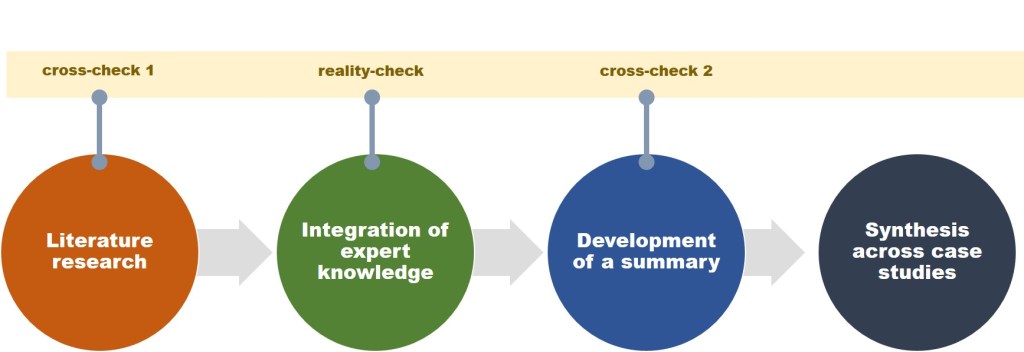
In our paper, we present an analytical tool to investigate societal change processes that enhance biodiversity. We illustrate the application of the method using three case studies in Germany. We generate recommendations on how to enhance the process of a societal transformation that aims at biodiversity conservation. These recommendations relate to: 1) Retaining co-benefits for biodiversity with goals that are primarily focussing on other objectives; 2) Harmonising biodiversity use and conservation by turning conflicts into drivers of transformation; 3) Prioritising biodiversity conservation by taking advantage of windows of opportunity.
Our publication supports the idea that there are multiple ways to bend the curve of biodiversity loss: We conclude that entry points for transformative change for biodiversity can be thought of more broadly: Not only approaches that prioritise biodiversity might have a positive effect on biodiversity. Sometimes approaches with completely different goals can also support transformative change to enhance biodiversity. Therefore, biodiversity conservation should try to make use of as many opportunities as possible and collaborate with many different stakeholders.
 Relational Thinking