
Photo by authors.
By Erana Walker, Tim Jowett, Hēmi Whaanga, and Priscilla Wehi.
It is important for people to connect to nature, especially with accelerated natural resource extraction, biodiversity loss, industrial and urban development and climate change. But in urban areas, it may be harder for people to access nature. Across the globe communities are working tirelessly to restore nature and increase access to positive benefits of nature engagement. Indigenous communities can play an important role in ecological restoration in urban areas through stewardship knowledge and practice. Understanding the challenges for indigenous peoples to express stewardship in urban spaces may benefit restoration efforts and encourage indigenous populations to have better connection and care of nature in cities. We asked what might challenge and encourage indigenous cultural stewardship in cities. We used an online survey to gather the thoughts of Indigenous Māori people in Aotearoa, New Zealand about cultural stewardship and restoration activities. We received 244 responses to our survey and have delved into this data to present findings we believe will be beneficial for equitable access to nature and its restoration in urban areas.
Our key findings show that restoration activities require targeted approaches, and these should involve meaningful partnership with local indigenous peoples. We found that Māori were more drawn to restoration that was culturally framed. Our research also showed that different factors impeded or encouraged involvement in restoration and the expression of cultural stewardship such as age, residence and childhood exposure to cultural knowledge. These factors are important for creating restoration approaches that supports indigenous people in cities to maintain their stewardship roles and ensure natures well-being into the future.
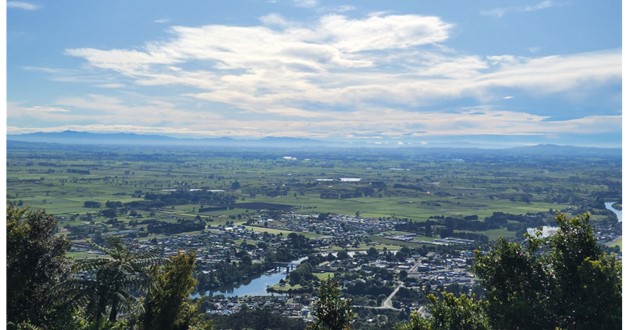
Photo by authors.
 Relational Thinking