In celebration of the shortlisted papers for the Rachel Carson Prize 2023 for Early Career Ecologists, we’re delighted to introduce you to some of our shortlisted individuals and papers.
Understanding preference to guide sustainable management.
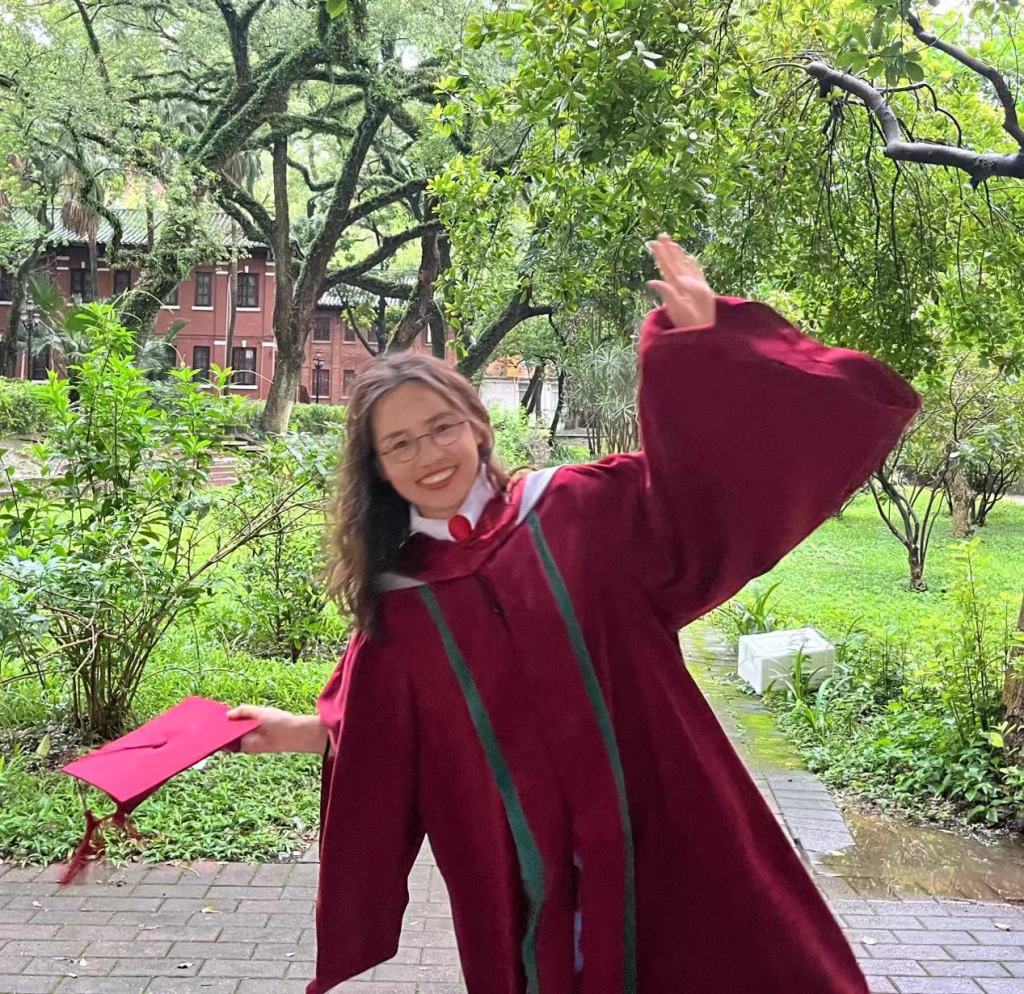
Photo credit: Junli Wu (Jingjing Zhao’s Friend)
About the paper:
What is your shortlisted paper about and what are you seeking to answer with your research?
We tried to answer how the local cultural context influences the Tibetans’ harvesting preferences, and understand whether these preferences affect the sustainable use and management of medicinal plants.
What is the broader impact of the research? (outside of your specific species/study system)
I think our research employed econometric methods to explore an issue in ecological anthropology, which was a very innovative approach that could serve as a reference for other related research.
Did you have any problems collecting your data?
Sure, we encountered some difficulties. For example, during the preliminary stage for understanding the trade of Nardostachys jatamansi in the county town, it was challenging to locate specific trading points as the Nardostachys jatamansi purchasing spots lacked distinct storefronts. Thus, we had to rely on observing whether motorcycles loaded with numerous hemp sacks, which are commonly used by Tibetan people for packaging and transportation when selling Nardostachys jatamansi. Additionally, we determined the approximate trading areas of Nardostachys jatamansi by smelling its scent since Nardostachys jatamansi has a strong and distinctive odor, making it relatively easy to detect.
Were you surprised by anything when working on it?
Yes, there were a few surprises along the way. We were often mistaken by local people as personnel from the township government conducting household surveys, despite our initial introduction of where we were from and the purpose of our visit. These unexpected challenges added an interesting thing to our research process.
What is the next step in this field going to be?
I will continue to explore the relationship between local use and protection of more medicinal plants in the future, such as species such as saussurea involucrata, Fritillaria cirrhosa, and Lithospermum erythrorhizon Siebold & Zucc.
What are the implications of your research for policy or practice?
Our research can assist policymakers in better formulating species conservation management policies, by using local ecological knowledge to achieve a win-win situation for species conservation and local economic development.

Photo credit: Jingjing Zhao
About the author:
How did you get involved in ecology?
I have been involved in ecology since my master’s time. At first, I was not clear about what ecology specifically does, just because I really enjoyed the feeling of being in nature. But gradually, with a deeper understanding of ecology, I feel that engaging in sustainable ecology is a very meaningful thing.
What do you like to get up to in your spare time, hobbies etc.
In my spare time, I like to go hiking with friends or meditate and practice yoga alone, which makes me feel very relaxed.
Have you continued this research, what’s your current position?
I did not continue this research, but my current research, like this work, is about the sustainable use of wild medicinal plant resources. I am now a post-doc in Sun Yat-Sen University in China.
Do you feel there have been any barriers to progressing in your scientific career (e.g. discrimination, funding, etc)?
Yes, I have indeed met some barriers, such ad limited funding opportunities, and sometimes a lack of access to resources or networks.
One piece of advice for someone in your field…
I believe it’s crucial to approach from the perspective of local people more often. This would greatly facilitate our investigations and research.
 Relational Thinking