By Yuya Fukano, and Masashi Soga.
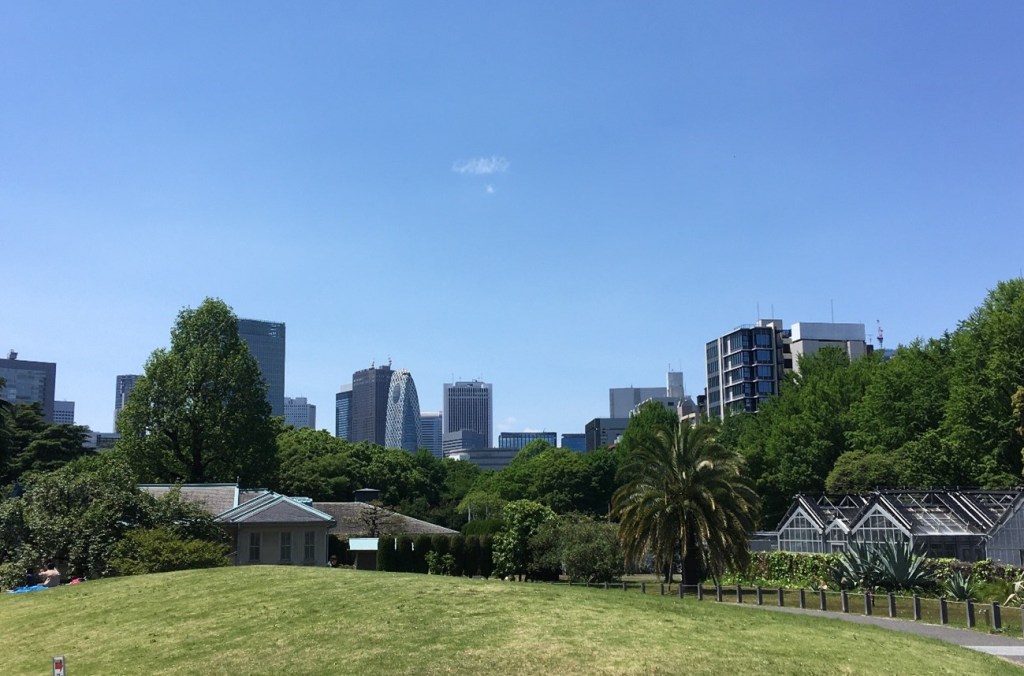
Researchers have found that being in nature has various positive effects on people’s mental health and cognitive function. While we know a lot about the physiological and psychological reasons behind these positive responses, we know little about evolutionary reasons driving them. In this study, we review existing evolutionary hypotheses related to humans’ connection to nature and propose a new one called the “greenery hypothesis.” This new idea suggests during drought, the disappearance of greenery served as a signal for environmental degradation, leading to adaptive negative responses such as depression, which could minimize wasteful activities. When greenery returned after sufficient rainfall, humans would experience positive psychological responses, encouraging them to resume activities like foraging. These psycho-physiological responses must be crucial for survival during environmental fluctuations that humans have experienced in evolutionary adaptive environments. However, in modern urbanized societies with limited greenery, this psychological system may lead to non-adaptive negative effects, such as increased stress and depression, creating a mismatch between our evolutionary past and current cultural evolution. We believe that this hypothesis can provide valuable insights into understanding how humans psychologically respond to nature exposure, with implications for fields such as psychiatry, urban planning, and biodiversity conservation.
 Relational Thinking