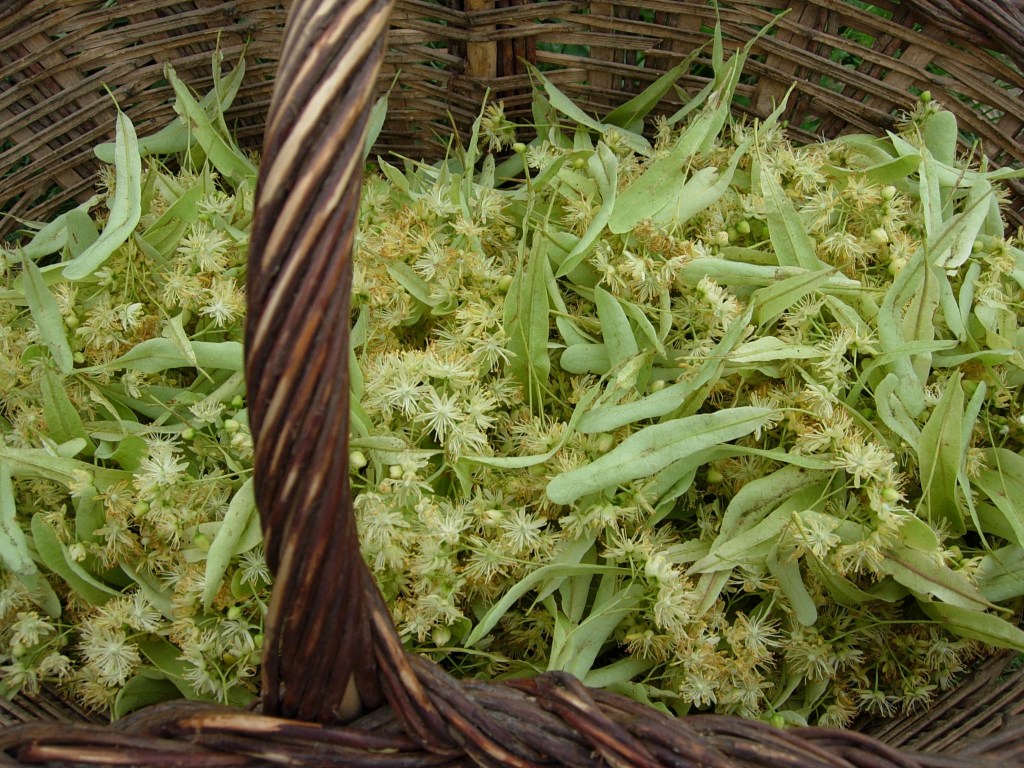
Picture by Teresa Garnatje.
By Manuel Pardo-de-Santayana, Jimena Mateo-Martín, Guillermo Benitez, Airy Gras, Maria Molina, Victoria Reyes-García, Javier Tardio, and Alonso Verde.
The demand for medicinal plants has grown drastically across the globe. This growth has raised concerns since it may result in unrestricted harvest and the loss of some plant species. There is not, however, frequent research on the viability of large-scale harvest of medicinal plants used in traditional ways. In this work, we analyse the availability of wild medicinal plant species in Spain, a country with a high biological and cultural diversity, and where during the last two decades a team of researchers has been developing an exhaustive database of traditional uses of plants.
We identified 1,376 wild plant species with medicinal uses, 22% of all plant species in Spain, and determined their level of cultural importance, availability (based on their abundance in the environment and geographic distribution), and conservation and legal protection status according to European, Spanish, or regional laws.
Our analysis shows that Spanish wild medicinal plants are abundant, widely distributed, and therefore available to the population. Only 8% of the plants are threatened and even fewer have specific legal protection that prevents their harvesting. Furthermore, the most culturally important plants are exceptionally available and none is protected. While current availability might be partly explained by decreasing harvest in Spain, our findings also indicate that traditional practices for managing wild species with medicinal uses have not posed a threat to their long-term survival.
Among the wild species with medicinal uses that were endangered, several (i.e., Artemisia granatensis Boiss. or Arnica montana L.) were not just harvested for domestic use, but were collected to be sold for their medicinal properties, for which they become much more extensively gathered. To preserve their populations, some of these species have now been legally protected. More research comparing the impacts of commercial versus domestic purposes harvesting of medicinal plants is needed.
 Relational Thinking