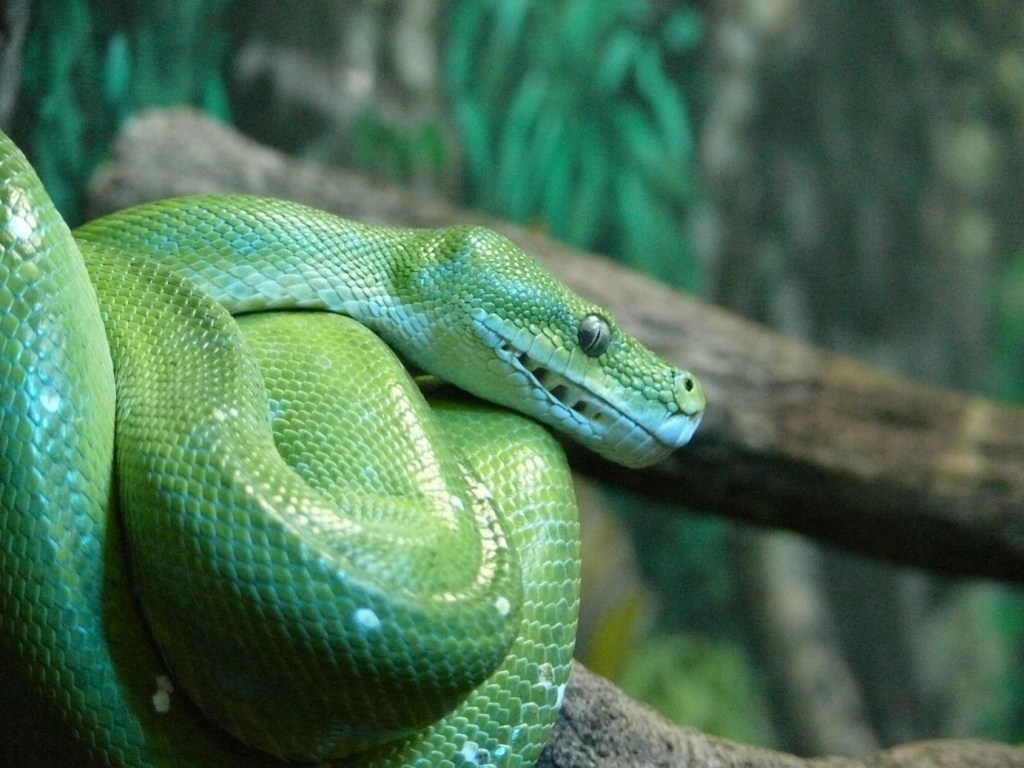
Photographer credit: Dr. Carlos M. Coelho
By Andras N. Zsidó, Orsolya Inhof, Botond L. Kiss, Cintia Bali, and David S. March.
Read the full paper here.
When humans see something scary, they may freeze for a moment, unable to move when thinking of what to do next. Attempts to escape the threat may follow this passive freezing. Encountering a threat often leads to active avoidance both in the moment and in the future; humans avoid situations that increase the likelihood they will encounter the object of their fears. In the case of animals, this may mean avoiding nature, possibly leading to general negative feelings toward it, and even a desire, in some cases, to destroy certain animal species.
In this study, we employed a novel experimental paradigm where participants either had to (1) approach a threat from a distance or (2) move away from it from a distance or from right on top of it. Participants were split into two groups: fearful and non-fearful. We found that the presence of a threat only affected the movement of those in the fearful group. People who feared snakes froze when they had to start the movement from a picture of a snake and initiated the movement more slowly compared to when they started from a distance. Their total movement was also slowed, but only when they moved away from the threat (regardless of where they started the movement). This may imply that they had to plan the course of movement during the execution phase. The slower start and execution due to the lack of active planning might point to a passive temporary freezing response.
Past studies have shown that humans’ past experiences with nature determine their relationship with it and actions towards it. Strong negative emotions towards nature and animals serve as crucial factors both in animal phobias and anti-animal behaviors. Animals associated with negative emotions, such as snakes, are often the victims of hunting and killing. Understanding the action dynamics of approach-avoid behaviors in response to threatening animals may help to inform both the prevention and treatment of phobias, and relatedly, the promotion of conservationist endeavors.
A kígyó látványától képtelen lehetsz mozogni és gondolkodni, ami táplálja a vele szembeni negatív érzéseidet
Amikor az emberek valami ijesztő dolgot látnak, egy pillanatra megdermedhetnek, és képtelenek megmozdulni, miközben azon gondolkodnak, hogy mit tegyenek ezután. Ezt a passzív lefagyást követhetik a fenyegetés elől való menekülési kísérletek. A fenyegetéssel való találkozás gyakran vezet aktív elkerüléshez mind a pillanatban, mind a jövőben; az emberek elkerülik azokat a helyzeteket, amelyek növelik annak valószínűségét, hogy találkoznak félelmeik tárgyával. Az állatok esetében ez a természet elkerülését jelentheti, ami esetleg általános negatív érzésekhez vezethet azzal szemben, sőt egyes esetekben akár bizonyos állatfajok elpusztításának vágyát is növelheti.
Vizsgálatunkban egy újszerű kísérleti paradigmát alkalmaztunk, amelyben a résztvevőknek vagy (1) távolról kellett megközelíteniük egy fenyegető ingert, vagy (2) távolról vagy közvetlenül a fenyegetés helyéről kellett eltávolodniuk tőle. A résztvevőket két csoportra osztottuk aszerint, hogy félnek vagy nem félnek a fenyegető ingertől. Azt találtuk, hogy a fenyegetés jelenléte csak a félős csoportba tartozók mozgását befolyásolta. A kígyóktól félő emberek lefagytak, amikor egy kígyó képéről kellett elindítaniuk a mozgást, és lassabban kezdeményezték a mozgást, mint amikor távolról indultak. A teljes mozgásuk lelassult, de csak akkor, amikor a fenyegetéstől távolodtak (függetlenül attól, hogy honnan kezdték a mozgást). Ez arra utalhat, hogy a végrehajtási fázisban meg kellett tervezniük a mozgás menetét. Az aktív tervezés hiánya miatti lassabb indulás és végrehajtás passzív, átmeneti lefagyásos válaszra utalhat.
Korábbi tanulmányok kimutatták, hogy az emberek természethez fűződő múltbeli tapasztalatai meghatározzák a természethez való viszonyukat és a vele kapcsolatos cselekedeteiket. A természettel és az állatokkal szembeni erős negatív érzelmek döntő tényezőként szolgálnak mind az állatfóbiák, mind az állatellenes viselkedés kialakulásában. A negatív érzelmekkel társított állatok, például a kígyók, gyakran válnak vadászat és gyilkolás áldozatává. A fenyegető állatokkal szembeni közeledő-kerülő viselkedés cselekvési dinamikájának megértése segíthet mind a fóbiák megelőzésében és kezelésében, mind pedig a természetvédelmi törekvések előmozdításában.
 Relational Thinking